
Uji Matcha in 2026: Tradition, Craft, and Hand Plucked Samidori
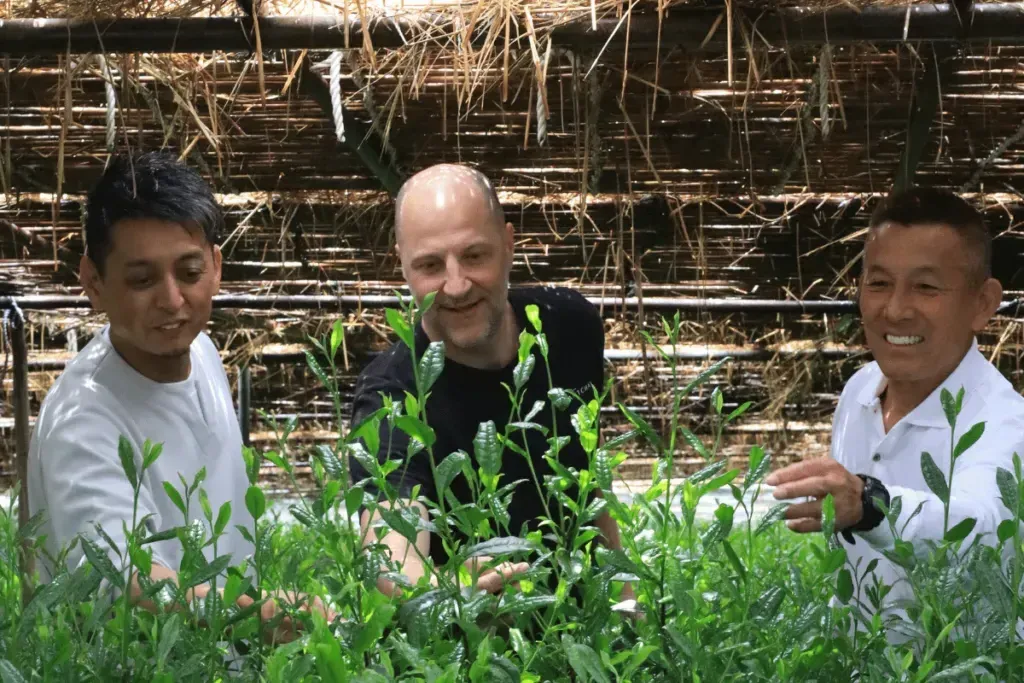
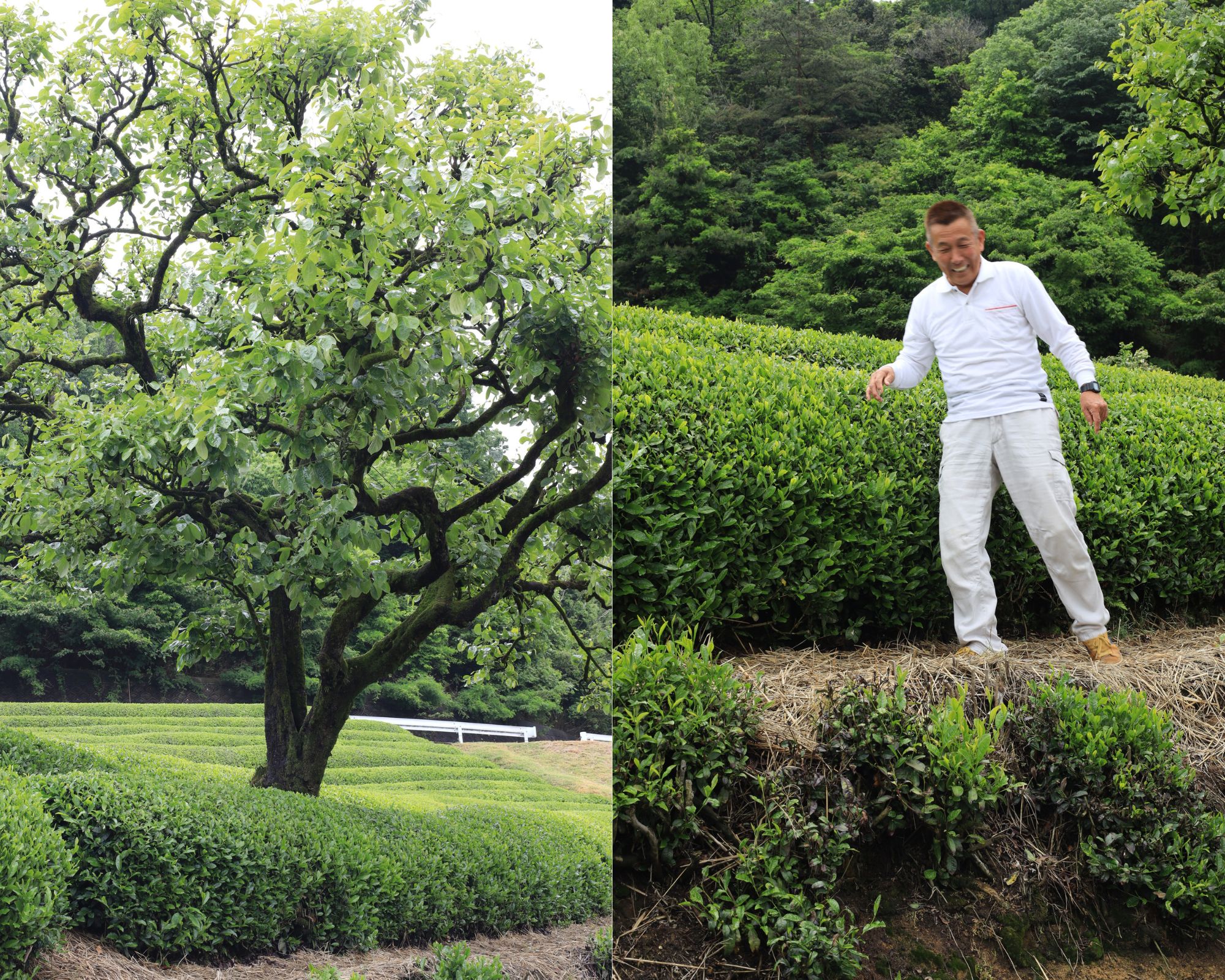
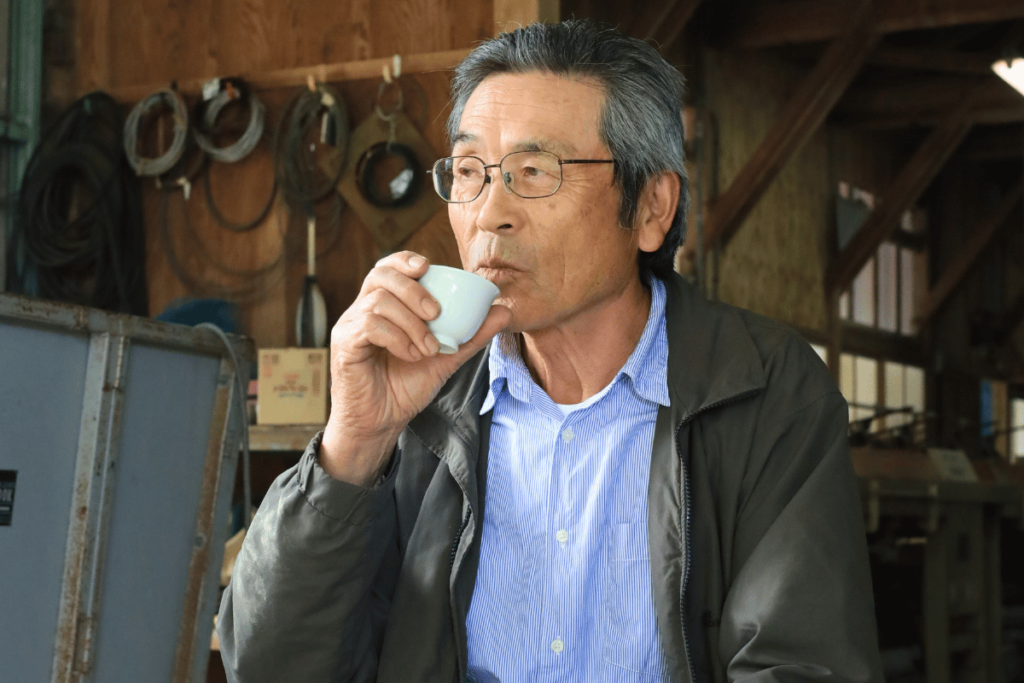
When we first visited Uji in 2024 to find our Matcha Ceremonial Grade Uji Samidori Hand Plucked, we met a father and son-in-law quietly doing things the hard way. Six generations of farming behind them, and still hand plucking. Organic cultivation. A single cultivar, Samidori, chosen not for convenience but for what it gives in the cup. At a time when demand for matcha was already accelerating, they continue to move in the opposite direction from the industry around them. And they genuinely love what they do.
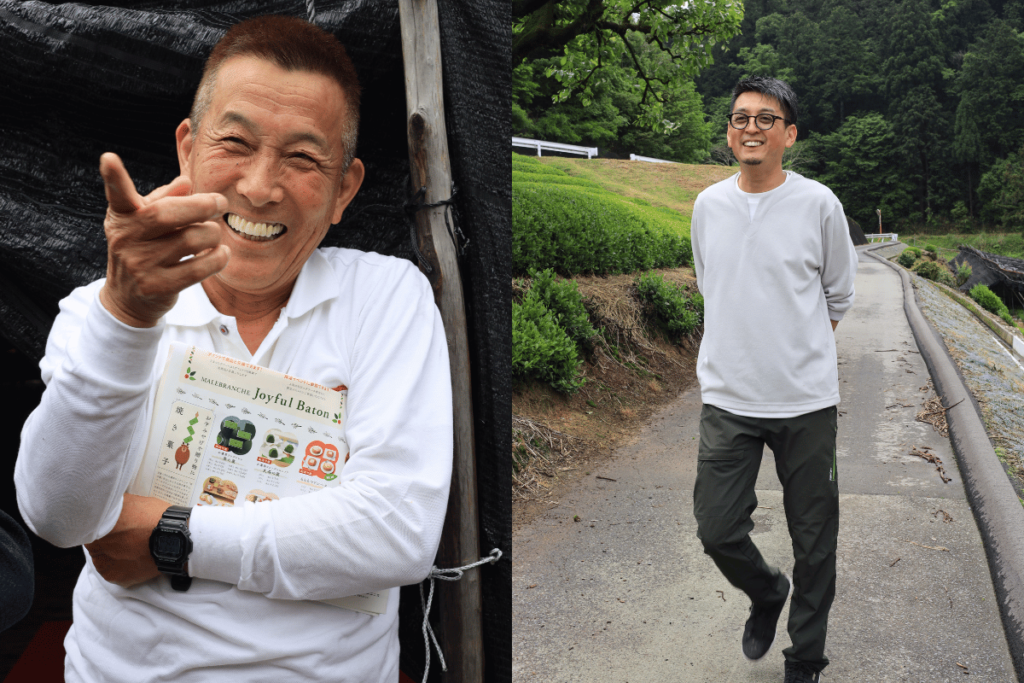
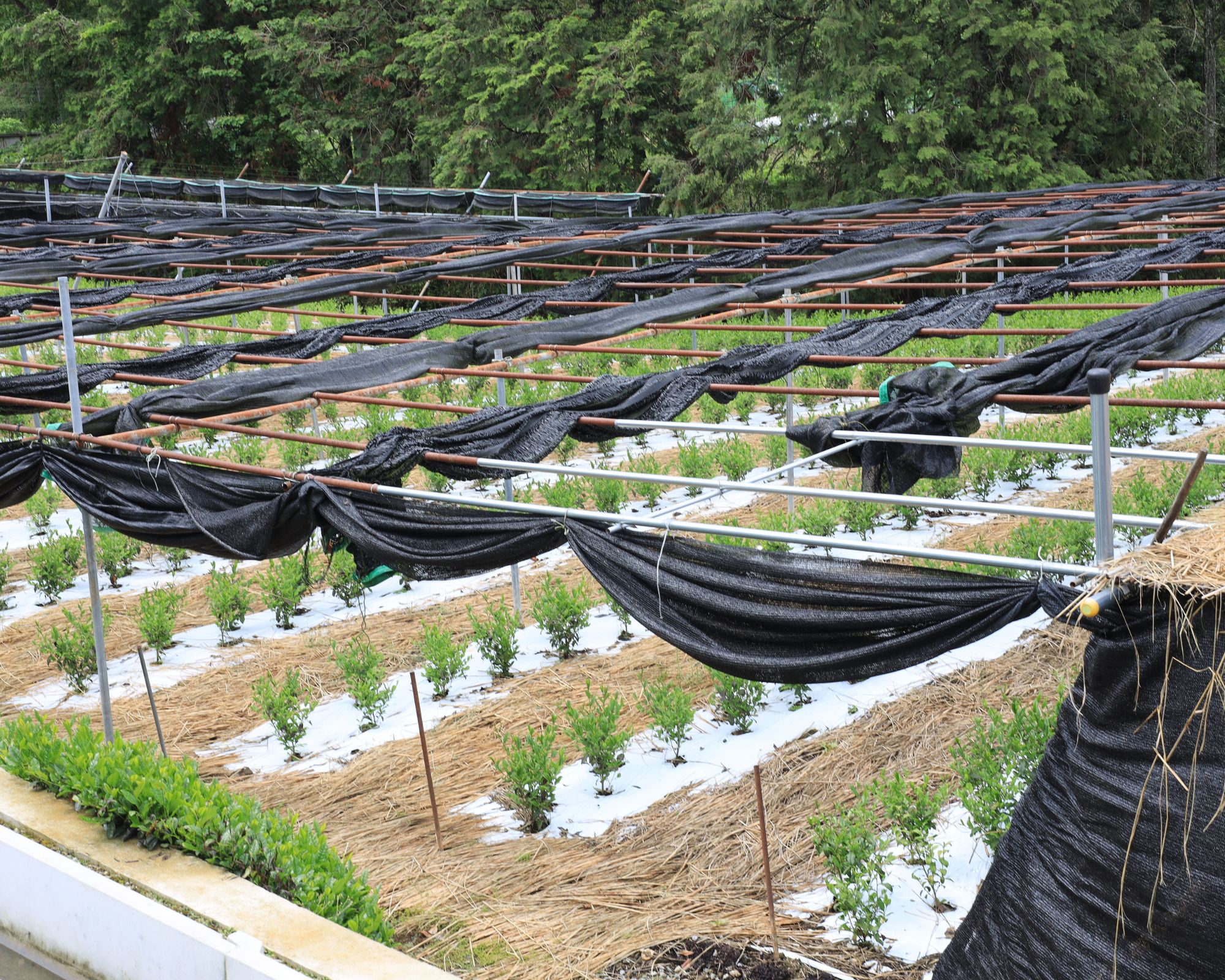
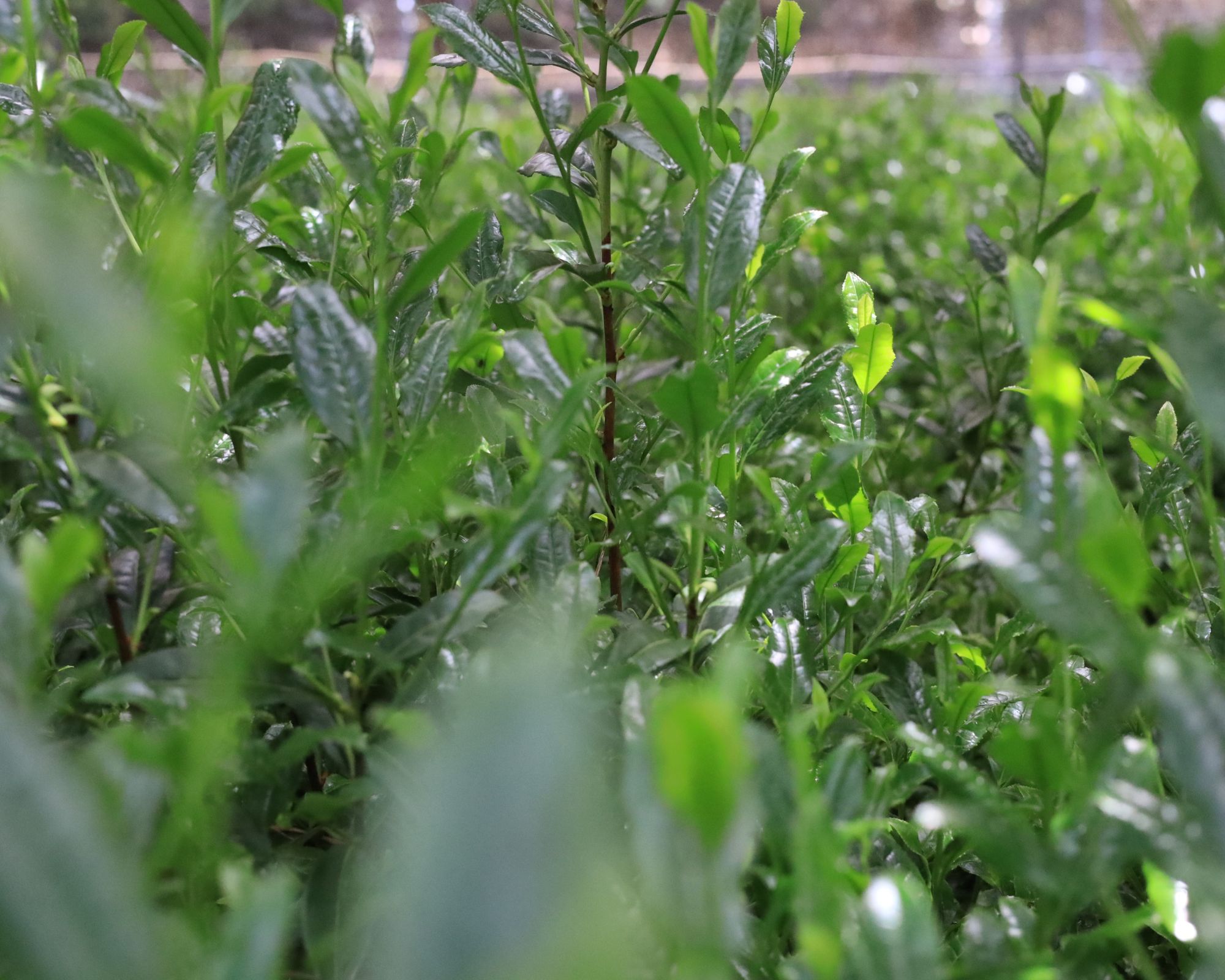
One of the things that stayed with us from 2024 was watching new plants go in. Returning now, two years on, and seeing how they have taken to the land has a particular satisfaction to it. These are long timelines. The family is mid-way through a full transition to organic certification, a process that in Japan demands five years of sustained commitment before a single stamp is earned.
.jpg?w=2000&h=1600)
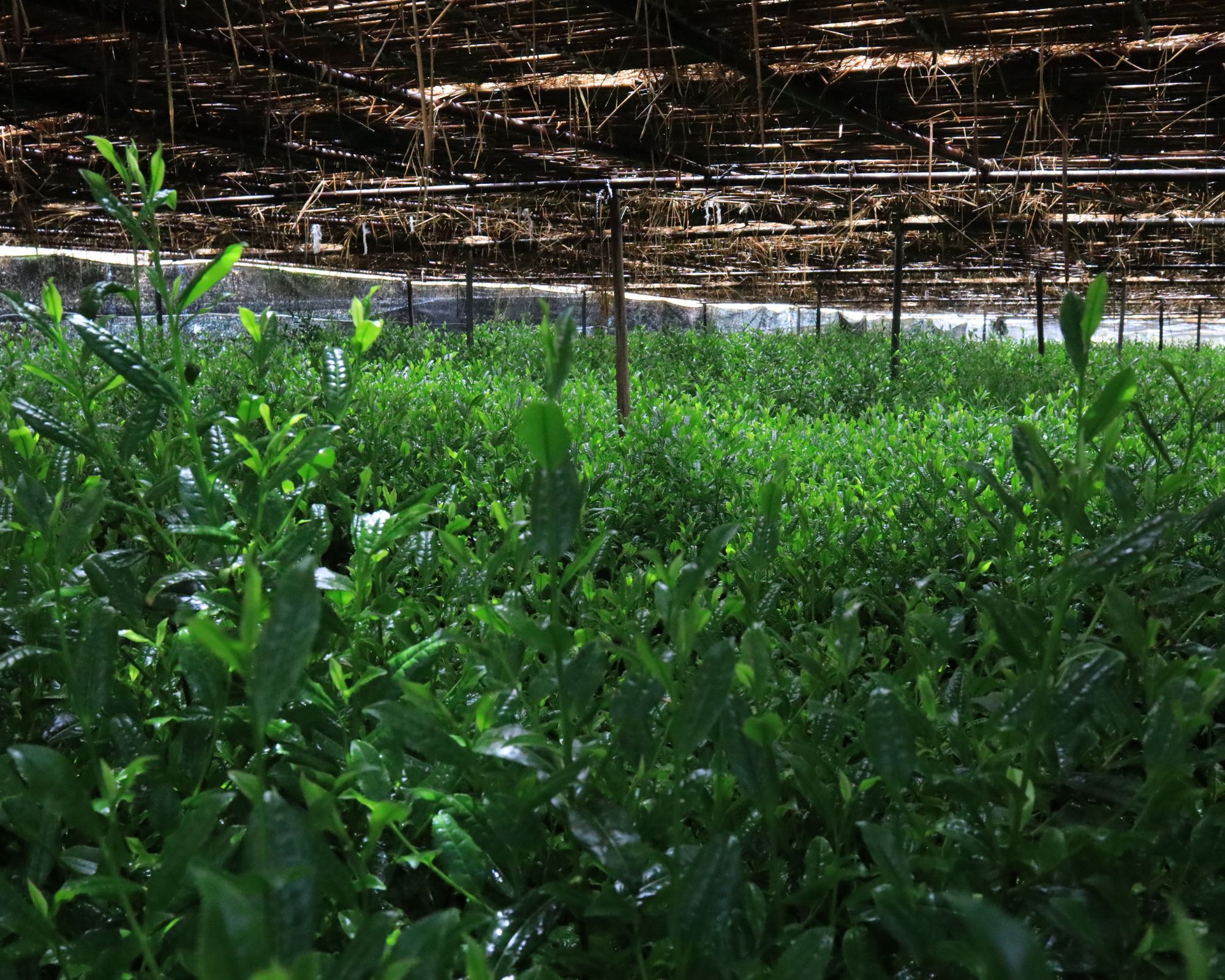
The shaded gardens remain one of the defining images of Uji, and this visit the straw roofing was going up. What looked, at a glance, like a seasonal ritual is in practice one of the most demanding decisions a producer can make. The standard approach across Japan today is kanreisha: black synthetic netting stretched over simple poles, reusable season after season, cheaper and faster to install.
The traditional method used here is honzu. A framework of logs and bamboo is assembled first. Then reed mats are laid as the first layer of cover, followed by rice straw mats placed on top. The materials cannot be reused. Every season, the structure is rebuilt from scratch. The straw is not merely a shade; it is also a microclimate. It breathes. Air and moisture circulate around the plants in a way that synthetic cloth cannot replicate, and the diffuse, uneven light that filters through is something farmers here believe produces more complexity in the leaf than the uniform darkness of a plastic canopy. Watching the structure go up gives a clear sense of where the character of these teas actually comes from.
-(1).jpg?w=2000&h=1600)
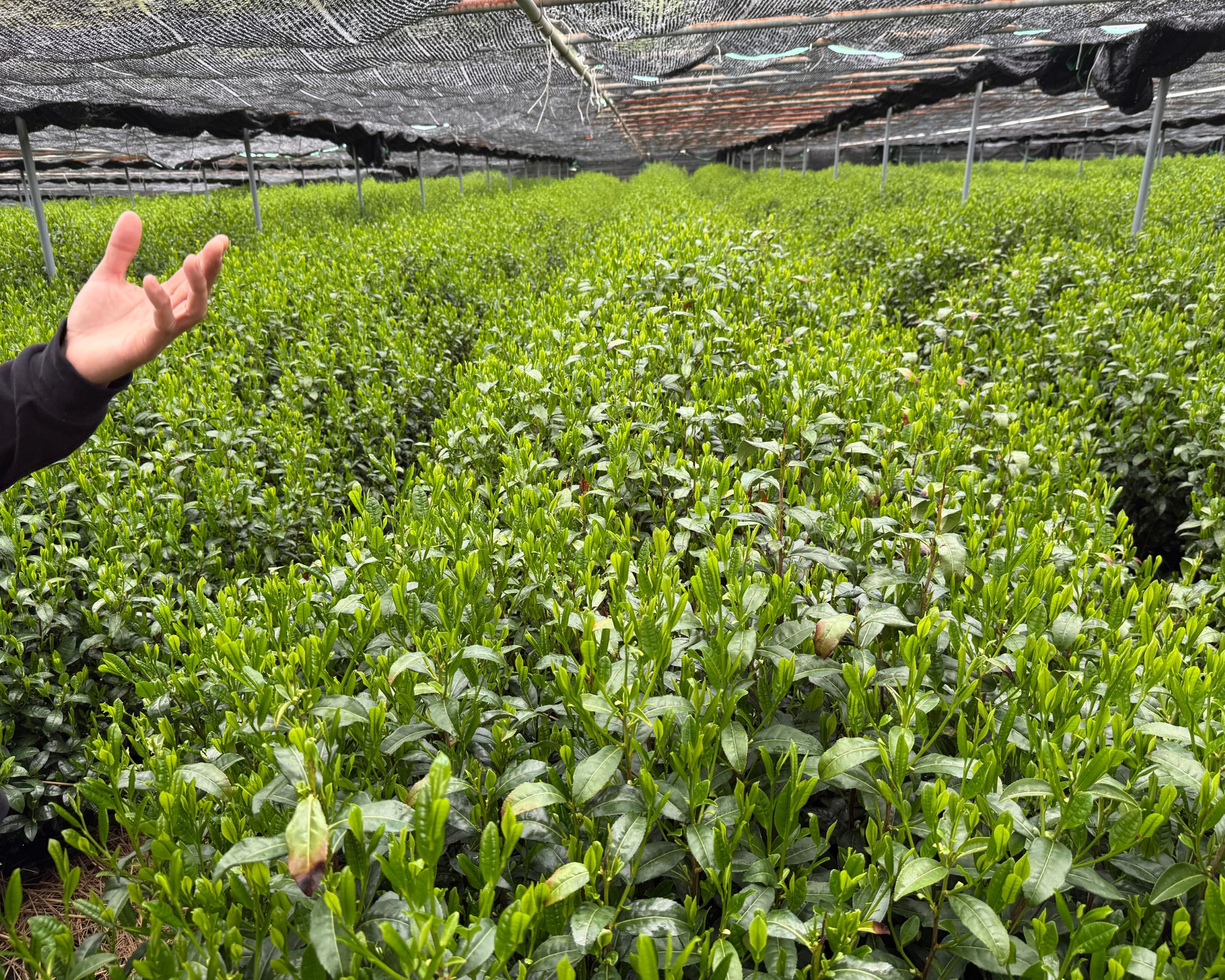
Samidori sits at the heart of what this family produces, and the choice of cultivar is worth understanding. It was bred in Uji in 1939 by Koyama Masajirou, selected from indigenous Kyoto tea plants specifically for its suitability to shading. It is an unregistered cultivar: not a product of a formal national breeding programme, but a cultivar that spread through Uji on the strength of what it does in the field and the cup. Its harvest window is long relative to most cultivars, which makes it more forgiving to manage across a large area.
But the more important qualities are flavour ones. Under shade, Samidori accumulates high levels of L-theanine; when the leaf goes dark and photosynthesis slows, the conversion of theanine into bitter catechins is suppressed, and what remains is deep, sustained umami. The colour the cultivar produces is a vivid, saturated green. The finish is soft, with a sweetness that lingers without becoming cloying.
The name carries its own poetry. Samidori is an old Japanese word for the first month of the lunar calendar, the month of fresh green, a seasonal word used in the tea ceremony tradition.
For their matcha, forty pluckers work the gardens across a full month, six in the morning until six at night, in shifts. The leaf is selected by hand at every stage. It is the kind of effort that only makes sense if you believe the result is worth protecting, and after six generations, this family clearly does.
The family balances their matcha production with a small quantity of Sencha. As more gardens across Japan convert from Sencha to Tencha production, teas like these are becoming increasingly rare. Alongside their matcha, we are pleased to continue offering their Sencha Uji Hikari. Grown from the Uji Hikari cultivar, it is lightly steamed and gently roasted to draw out notes of chestnut, sakura, and umami while preserving the freshness of the leaf.
Returning to Uji this year was a reminder that the most remarkable teas are rarely the result of scale. They are the result of patience, experience, and people willing to dedicate themselves to doing things properly.
We are very pleased to continue sharing the work of this family through both their matcha and sencha.
.jpg?w=2000&h=1600)
 All Rights Reserved. © AVANTCHA 2026