
.png?w=940&h=788)
Matcha is not steeped in the way most teas are prepared. The leaves are finely stone-ground into powder, and the entire leaf is consumed in the cup. Because of this, preparation is not simply a matter of mixing powder with water. It is the moment when the tea comes alive.
When matcha is properly prepared, the powder disperses evenly, releasing aroma, colour and flavour. The surface becomes smooth and vibrant, often with a light foam. The texture feels silky rather than grainy, and the flavour unfolds with clarity.
If the powder is poorly mixed, the result can be clumped, flat or overly bitter.
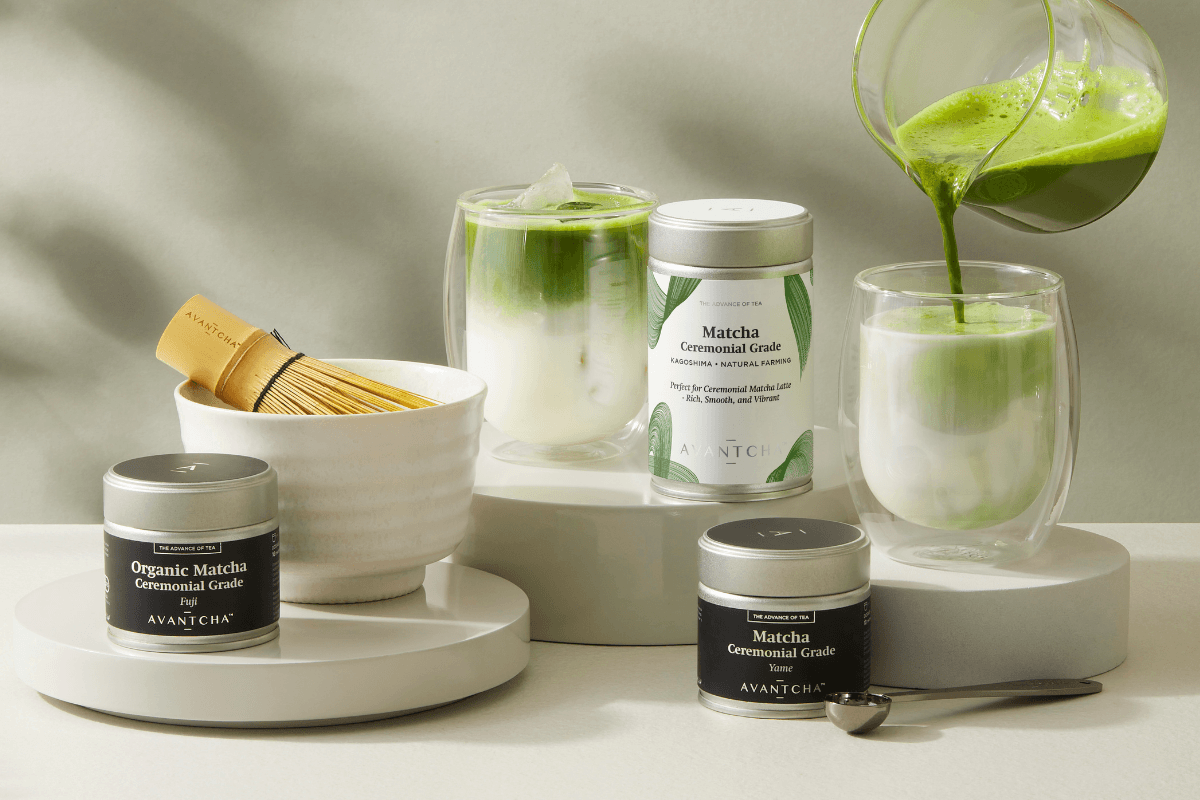
Today, matcha is prepared in several ways. Traditional bamboo whisks remain closely associated with its origins, while modern methods such as electric frothers and shaking have become widely used in both homes and professional settings. Each approach creates a slightly different texture and expression of the tea.
Understanding these differences allows for better control over the final cup.
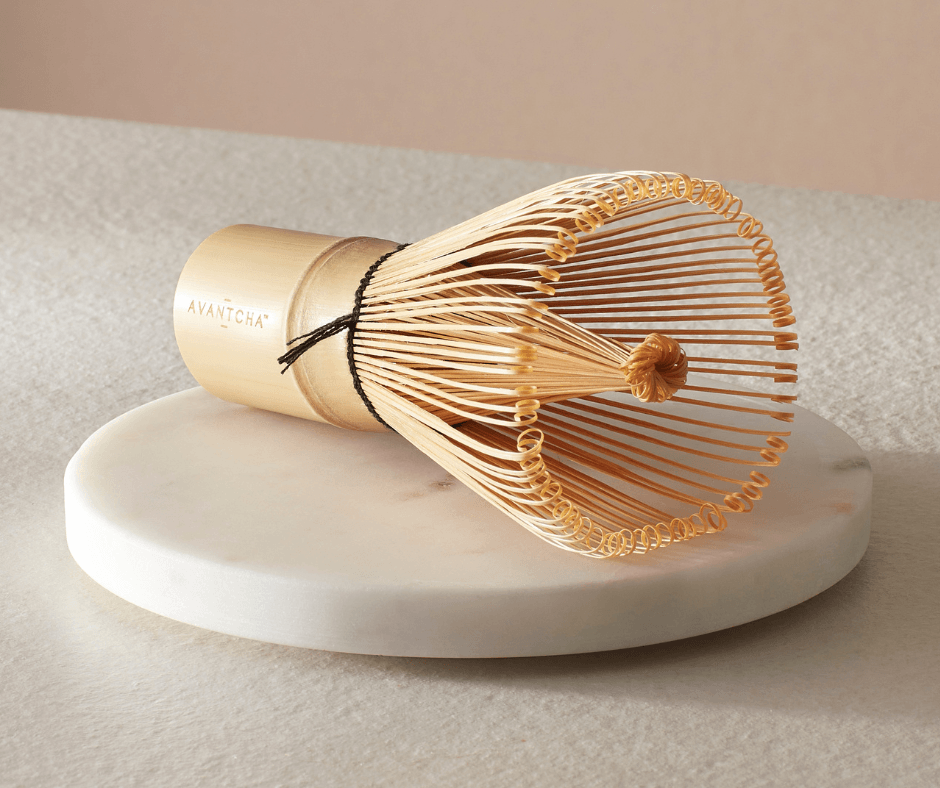
The Traditional Tool - Bamboo Chasen
The bamboo whisk, known as a chasen, has been used in Japan for centuries. Hand-carved from a single piece of bamboo, it is designed with fine tines that flex as they move through the tea.
This flexibility allows the whisk to suspend the matcha evenly in water while creating a delicate, fine foam across the surface.
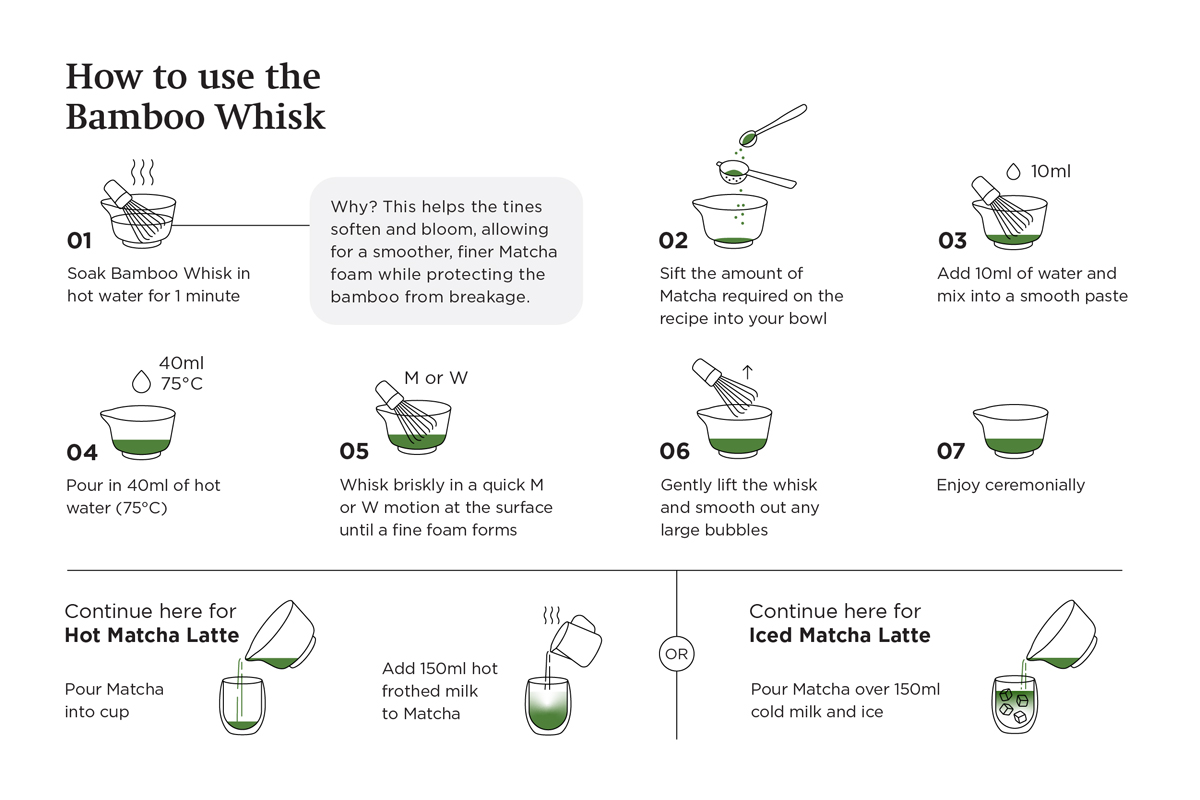
Preparation is simple but precise. Matcha is first sifted into a bowl to remove any natural clumps. Warm water is then added, usually around 70–80°C. The whisk moves quickly through the tea in a loose W or M motion until the liquid becomes smooth and lightly frothy.
When done well, the result is balanced and refined. The foam is fine, the colour bright, and the flavour layered with sweetness and umami.
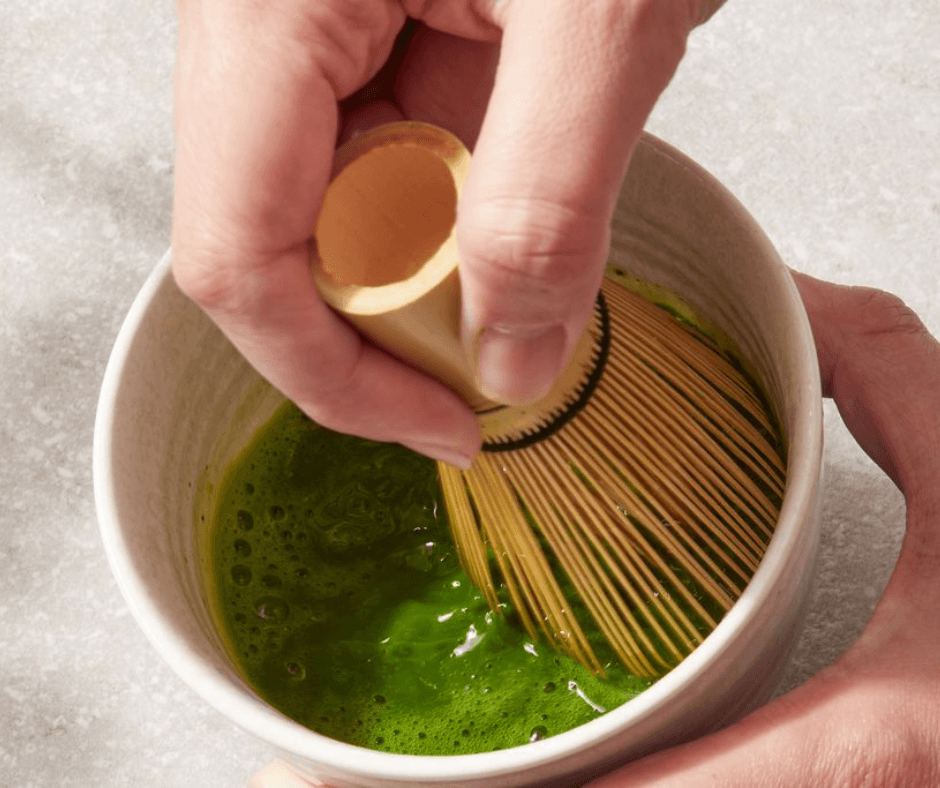
The chasen also reflects the cultural origins of matcha. The act of whisking introduces a moment of attention before drinking.
However, the bamboo whisk is designed for individual preparation rather than continuous use. In high-volume environments where matcha is prepared throughout the day, its delicate structure can wear down over time.
With heavy, repeated use, the fine prongs may soften, begin to fragment, or even snap off completely. This affects the consistency of the foam and, if the whisk is not regularly replaced, can introduce small bamboo fibres into the drink, as well as being a hazard.
For this reason, while the chasen remains an excellent reference for traditional preparation, it is not suited to fast-paced service where durability, consistency, and safety are required.
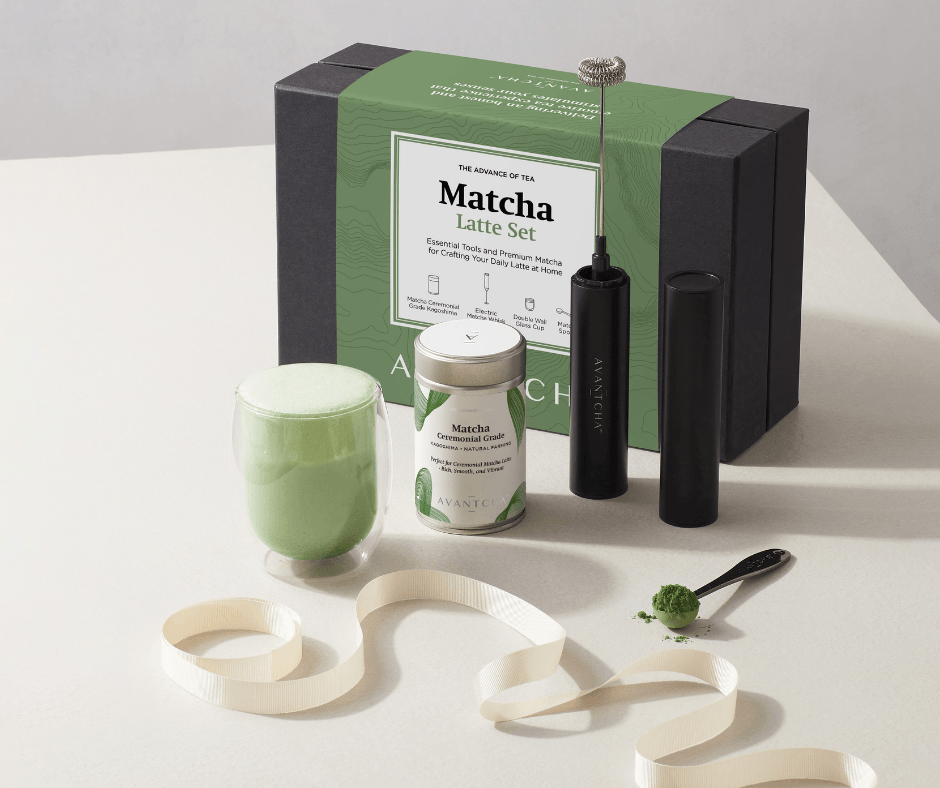
Modern Preparation - Electric Frothers
Electric frothers are now widely used for preparing matcha in both home and professional environments.
They combine matcha with water or milk quickly and with minimal effort, making them particularly useful for daily preparation and for drinks such as matcha lattes.
The resulting texture is slightly different from traditional whisking. The foam tends to be lighter, with larger bubbles, and the aeration can soften some of the finer flavour details in delicate matcha.
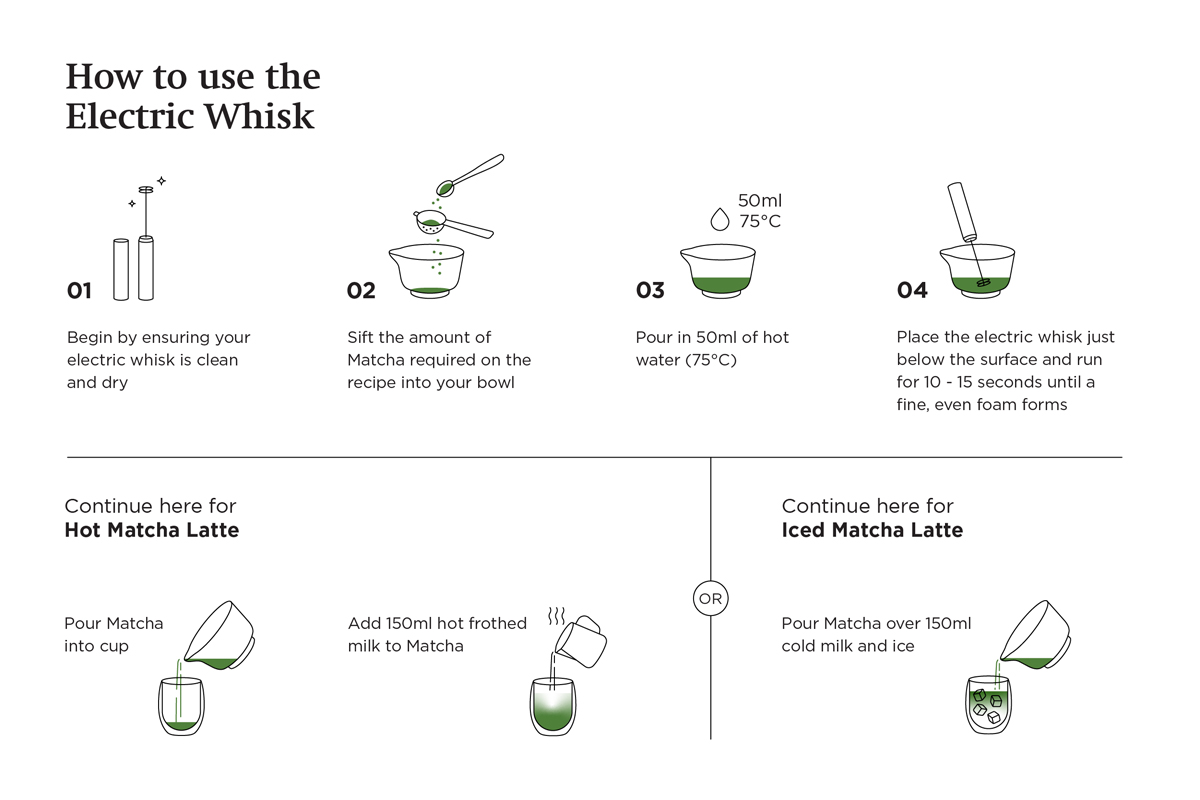
However, electric frothers offer a high level of consistency and speed. In professional settings, this allows matcha to be prepared reliably across a high volume of drinks, with a smooth and well-integrated texture.
Shaking Matcha - Bottles and Shakers
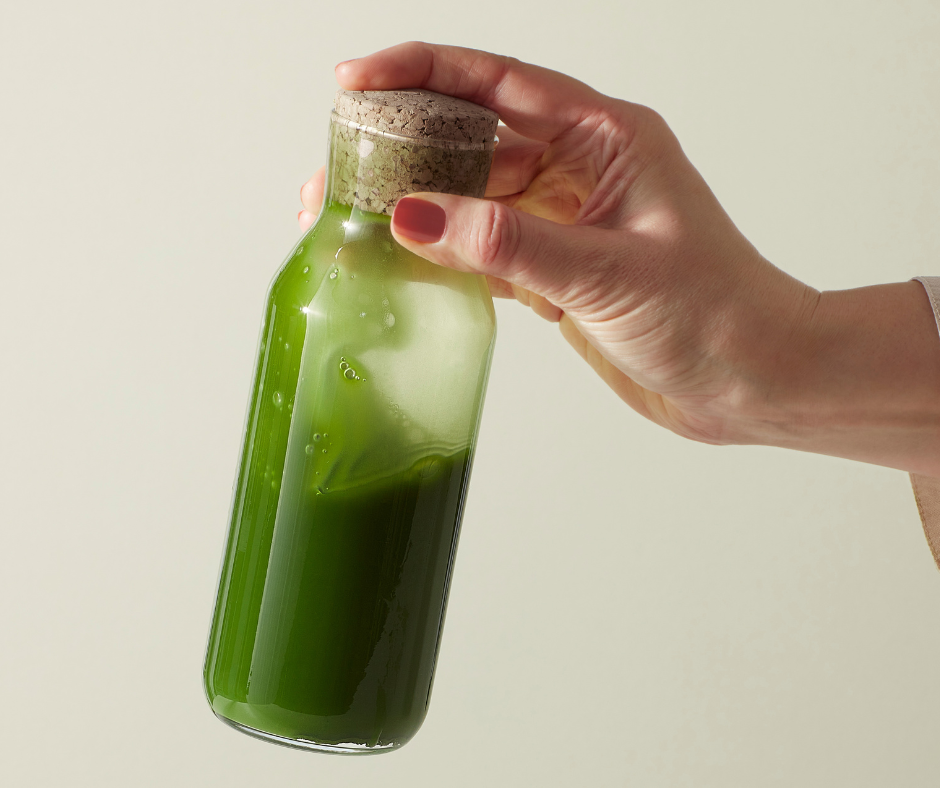
Shaking matcha in a bottle or shaker is a simple and effective method, particularly for cold preparation.
The powder disperses quickly when shaken with water, producing a clean and refreshing drink with minimal equipment. This approach is especially practical for iced matcha or preparation on the move.
The texture is typically lighter than whisked matcha, with little to no foam, but the flavour remains bright and clear when high-quality tea is used.
Hot or Cold Matcha
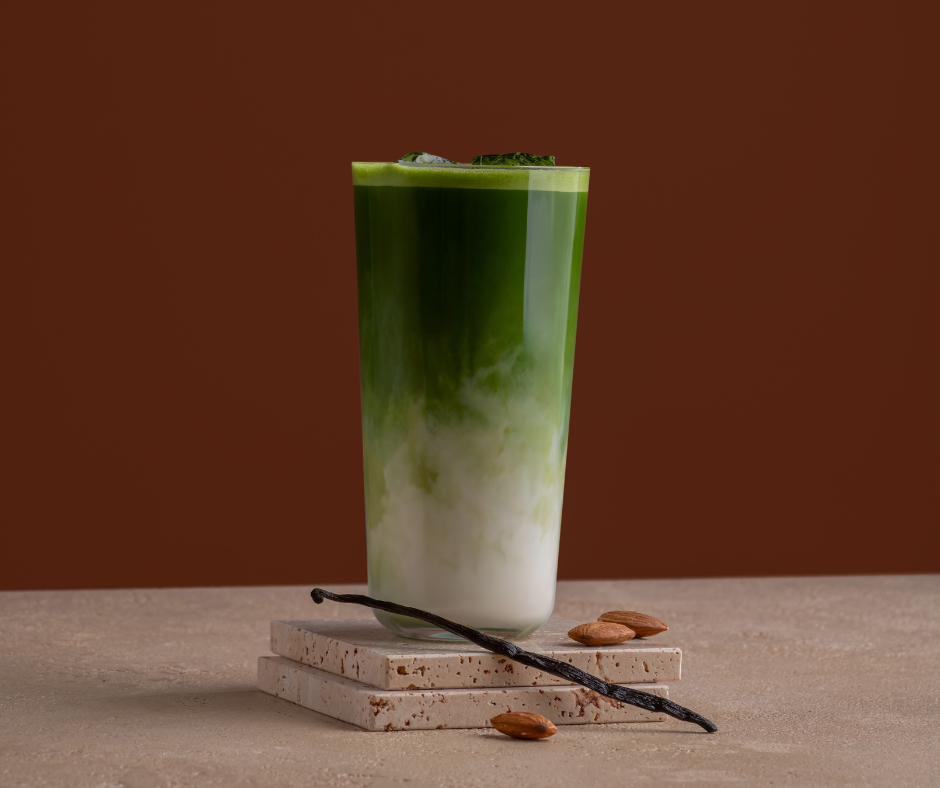
Temperature plays a significant role in how matcha is experienced.
Prepared with warm water, matcha reveals depth and structure. Umami becomes more pronounced, sweetness develops, and the texture feels round and full. This is the foundation of traditional preparation.
Cold preparation offers a different expression. The flavour becomes lighter and more direct, with a crisp freshness that highlights the tea’s vegetal and aromatic notes.
Both methods are valid, and each brings forward different characteristics of the same tea.
Choosing the Right Method
The most suitable preparation method depends on how the matcha is intended to be enjoyed.
For a traditional bowl, the bamboo whisk produces the finest texture and most integrated foam.
For daily preparation or milk-based drinks, an electric frother provides speed, consistency and ease of use.
For iced matcha or preparation outside the home, shaking offers a simple and effective solution.
Rather than one method being correct, each approach serves a different purpose.
A Few Simple Principles
Regardless of the method used, a few details make a clear difference.
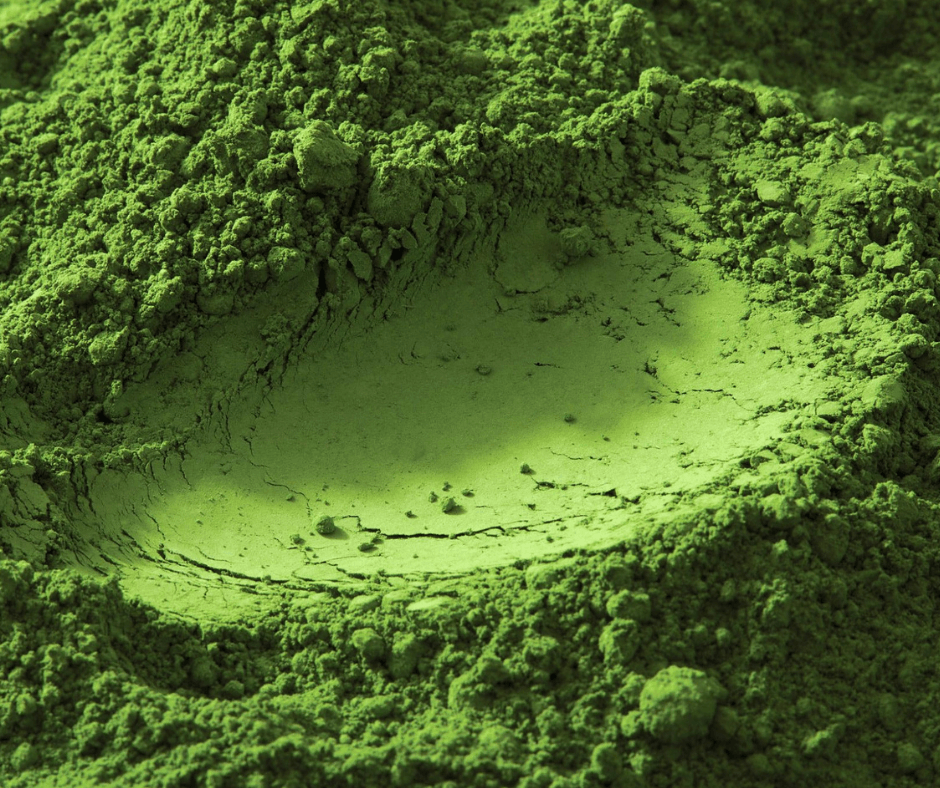
Sifting matcha before preparation helps prevent clumping.
Water should be warm rather than boiling, typically between 70–80°C.
The tea should be consumed soon after preparation, while its texture and aroma are at their best.
With good matcha and careful preparation, even a simple cup can be precise and balanced.
The act of whisking, whether by hand or by modern means, is ultimately about the same objective: allowing the character of the tea to fully express itself, with the quality of the tea remaining the most important factor.
Shopping List
Discover our range of Ceremonial Matcha and tea powders

 All Rights Reserved. © AVANTCHA 2026