
How to Cold Brew Tea: The Ultimate Guide
Author: Sally Gurteen
When most people picture tea, they picture something hot. That's changing. Tea is infinitely versatile, with flavour, tannins, and structure that few other standalone botanicals can match, and as drinking habits shift away from alcohol and sugar, it's earning a well-deserved place in the glass. Cold brew tea is where a lot of that is happening.
Cold brewing tea also easier than you think to make. Cold water, time, and whatever vessel you have to hand. This guide covers the questions we get asked most about cold brew tea: what it is, how it works, which teas to try it with and, ultimately, how to make it in your own stylish way.
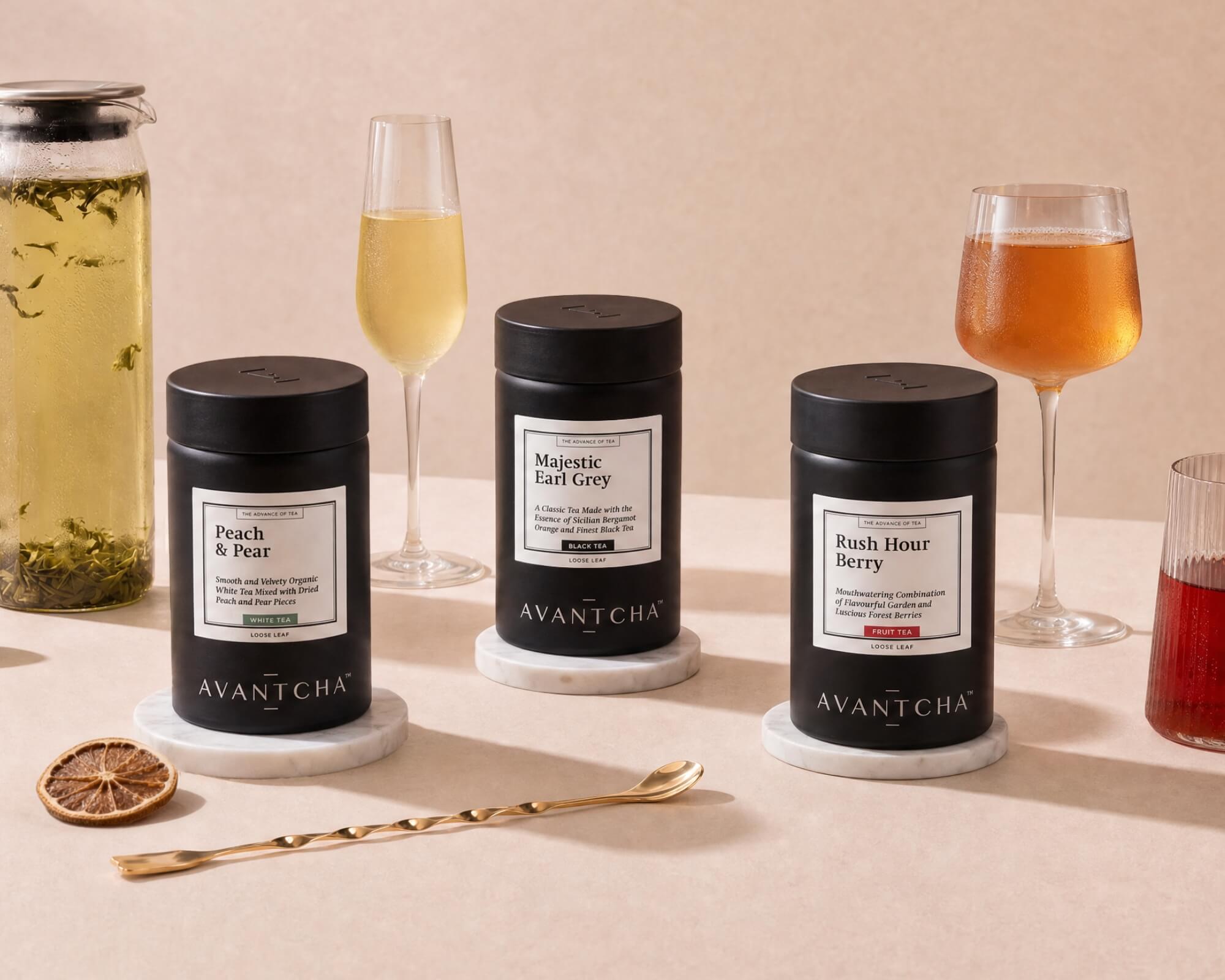
How does cold brew tea taste?
Cold brew tea is exactly what it sounds like: tea steeped in cold or room-temperature water, slowly, often overnight. The result is a drink that tastes fundamentally different from hot-brewed or iced tea, and, for some people, distinctly better.
Cold water extracts more slowly and more selectively than hot. It pulls flavour from the leaf gradually, leaving behind much of the tannin and astringency that hot water draws out in minutes. The result is a smoother texture, a cleaner finish, and greater clarity in floral, vegetal, and fruit notes that tannin can otherwise obscure. A green tea that carries a hint of astringency when brewed hot will often taste gently sweet cold. A floral oolong becomes more defined. A black tea loses its grip but keeps its character. It is not a diluted version of the same drink. The flavour is simply easier.
The benefits of cold brew tea
- Less bitter and astringent: cold water suppresses tannin extraction, so the cup tastes smooth and clean without added sugar or milk
- Greater flavour clarity: delicate notes (floral, umami, stone fruit) that tannin can mask are more pronounced in a cold brew
- Lower caffeine: caffeine is significantly more soluble in hot water; cold brew typically contains 40–70% less caffeine than the equivalent hot brew, making it a considered choice for caffeine-sensitive drinkers
- Higher Vitamin C retention: research indicates cold brewing preserves more Vitamin C than hot brewing, which degrades it at high temperatures
- No need to sweeten: the natural sweetness that comes forward in cold brew means most people find they don't need to add anything
-
No equipment beyond a jar and a fridge: the method is genuinely effortless once you know the ratios
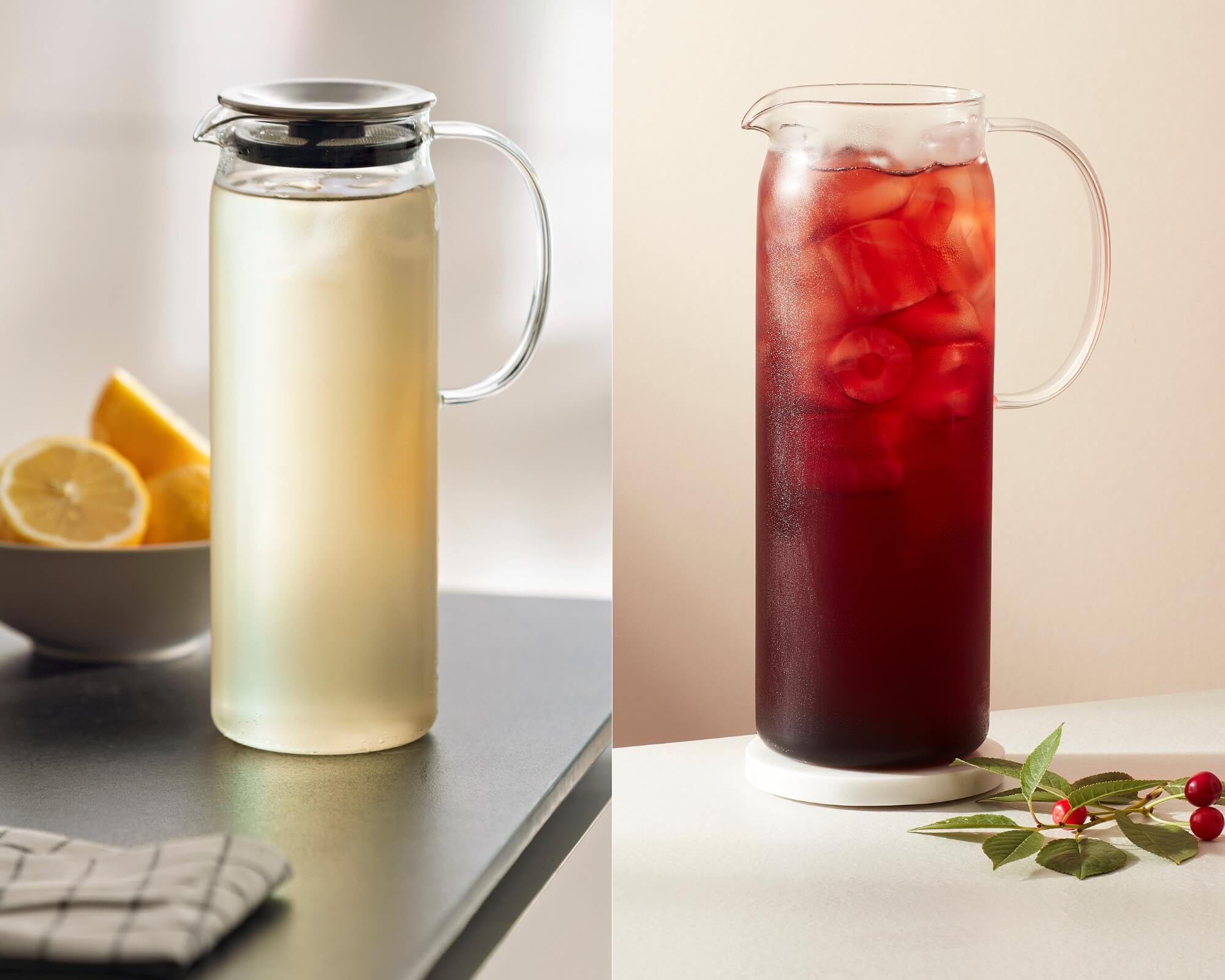
What's the difference between cold brew and iced tea?
The two methods are related but produce different results, and it's worth understanding why.
Iced tea is brewed with hot water at a higher concentration than usual, then poured over ice or chilled. It carries the full extraction profile of a hot brew: the tannins, the structure, the quick intensity. Cooling it changes the temperature but not what was drawn from the leaf. People often like to add syrups to an iced tea to balance the astringency, and to add sweetness.
Cold brew starts cold and stays cold. The leaf goes into cold or room-temperature water and infuses slowly, usually in the fridge, over anything from 45 minutes to overnight depending on the tea. The extraction is gradual from the beginning, which is precisely why the result tastes different. Less grip. More clarity. A longer, softer finish.
|
Cold Brew |
Iced Tea |
|
|
Start temperature |
Cold / room temp (except herbal, fruit infusions and rooibos) |
Hot |
|
Tannin extraction |
Low |
Full |
|
Bitterness |
Minimal |
Moderate to high |
|
Sweetness |
Natural |
Often added |
|
Time required |
Minimum 45 minutes depending on tea type |
15–30 minutes |
|
Best for |
Nuanced flavours and pairings |
Bold, refreshing summer drinks |
Browse our Iced Tea & Cold Brew collection to find teas suited to both methods.
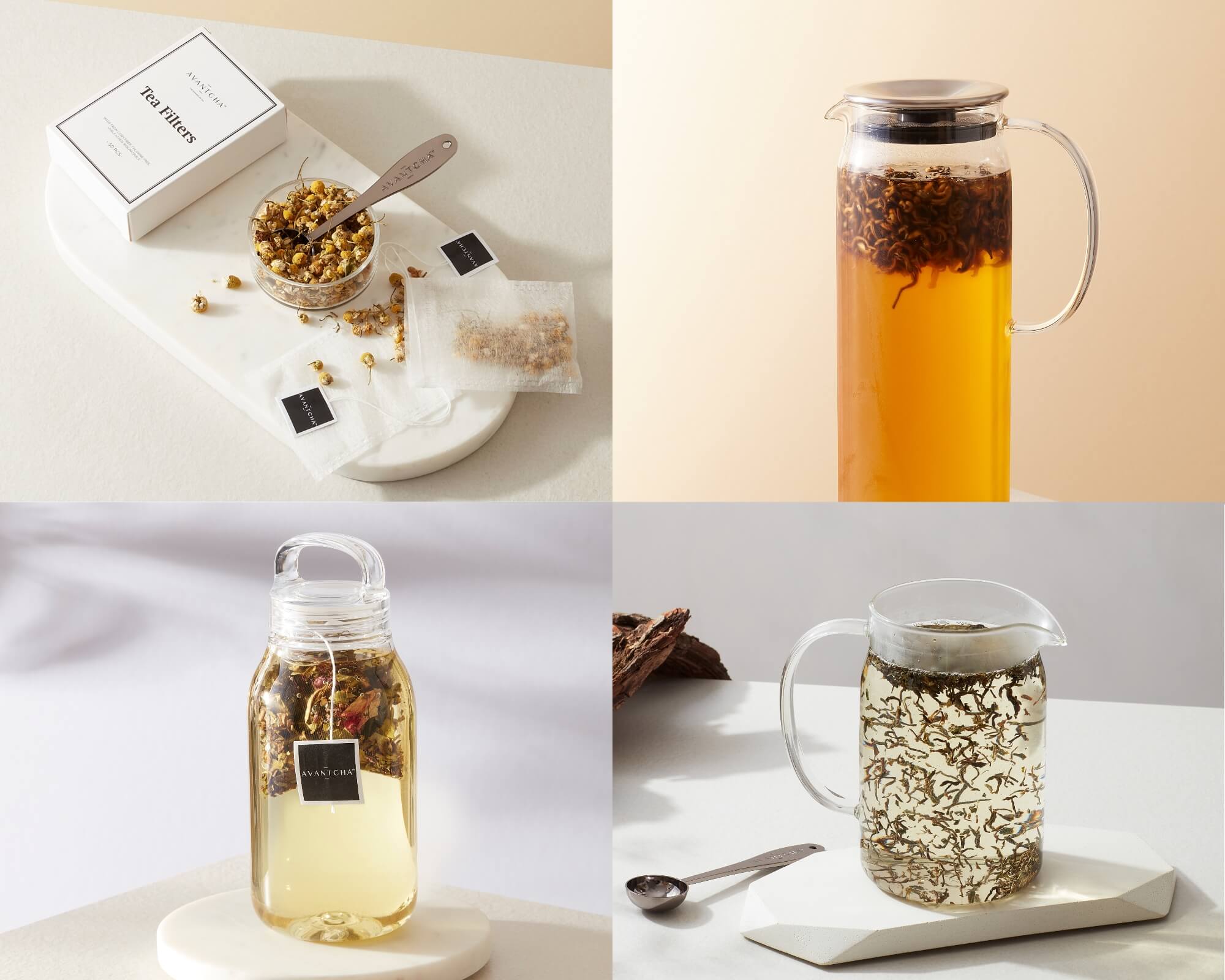
What tools do you need to cold brew tea?
Very little. A vessel with a lid, cold water, and time.
For teabags, any glass, bottle, or jug works. For loose leaf, you'll need either a vessel you can strain from (like our glass teapot range with filters built into the lids), a built-in infuser (like our Luna Teapot for finer leaves), or one of our self-filling teabags. These are made from unbleached, corn-starch-based PLA and are suitable for composting. They give loose leaf enough room to open fully, which matters for larger whole-leaf teas that don't yield much in a tight infuser.
According to the recipe, ratio and duration provided, add the leaves or teabag, fill with cold water, seal, refrigerate. That's the process.
If you must, ice is best added at the point of serving, not during brewing. Adding it too early dilutes the infusion before it's finished developing. We personally prefer to enjoy cold brew tea without ice.
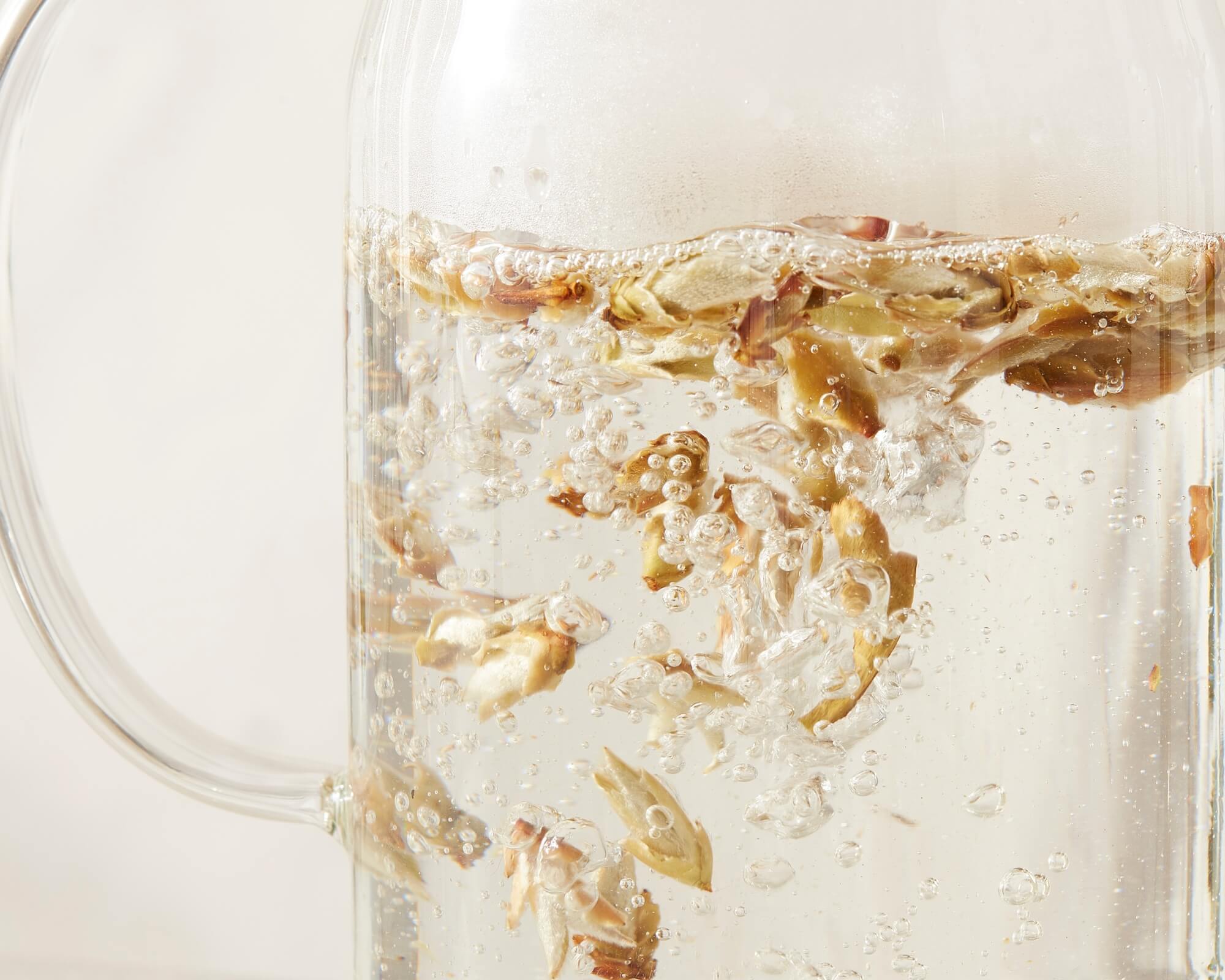
What kind of water should you use for cold brewing tea?
Cold tap water works. Filtered or still bottled water is better if your tap water is heavily chlorinated, since chlorine can blunt finer aromatic notes. Similarly, bottled water with heavy minerals or anything too pure with adulterate the flavour. Our preferred easy-to-find bottled water choice is Highland Spring, which is nicely balanced.
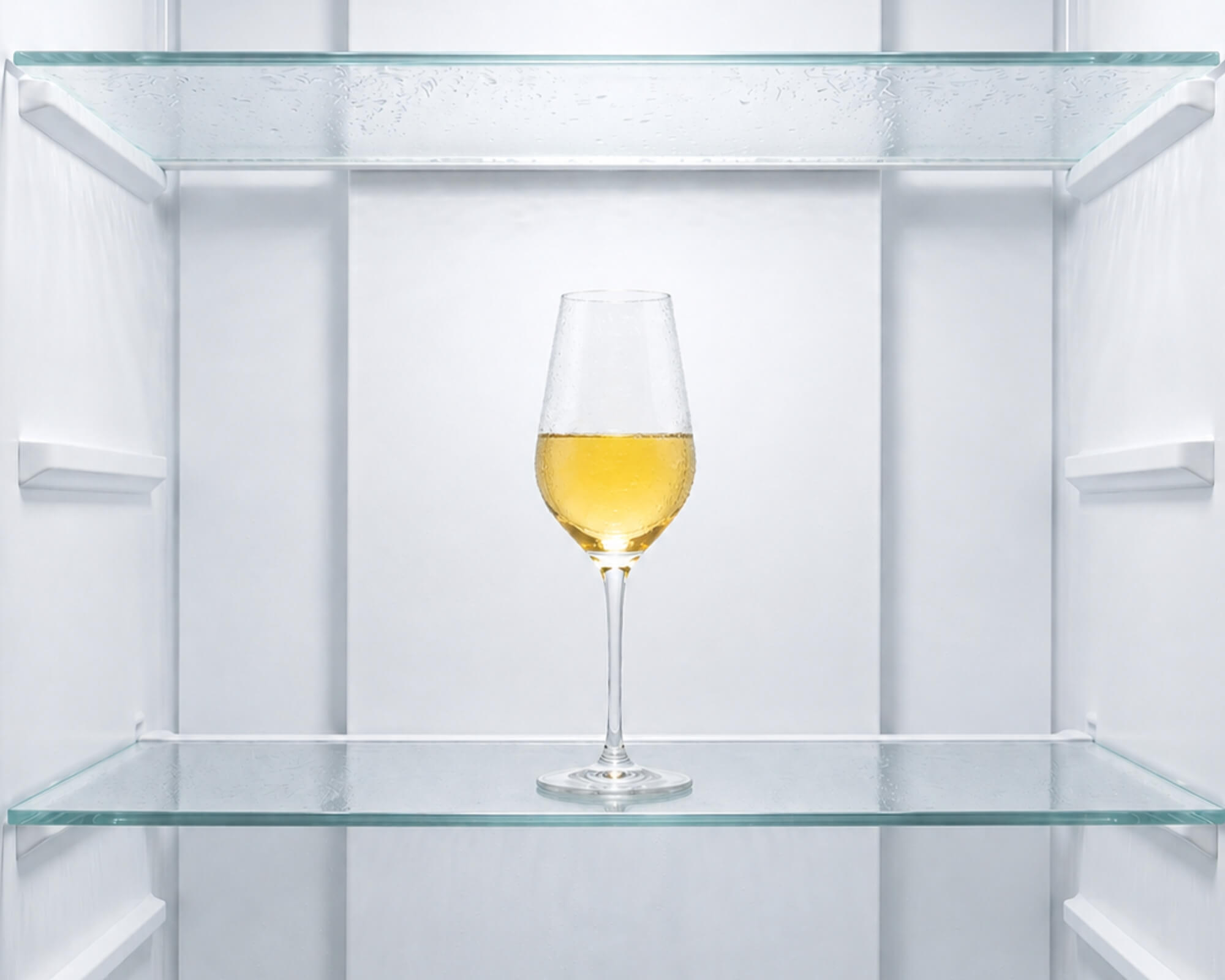
There is no target temperature. Cold or room temperature are both valid starting points, though room-temperature brewing moves slightly faster and can produce a marginally fuller result. For most purposes, fridge brewing is simpler and keeps the infusion stable throughout.
How long does cold brew tea keep?
A finished cold brew will keep in the fridge for up to three days. After that, the flavour begins to flatten. Green teas and whites are most sensitive to this and are best drunk within 24–48 hours of finishing the brew. Black teas and oolongs hold a little longer without significant flavour loss.
Can you re-steep cold brew tea?
With loose leaf, yes, you could try this once. The second steep will be significantly lighter though and the flavour definition will be less sharp. For teabags, a second cold steep is generally too thin to be worth the wait.
Tea by Type: A Guide to Cold Brewing
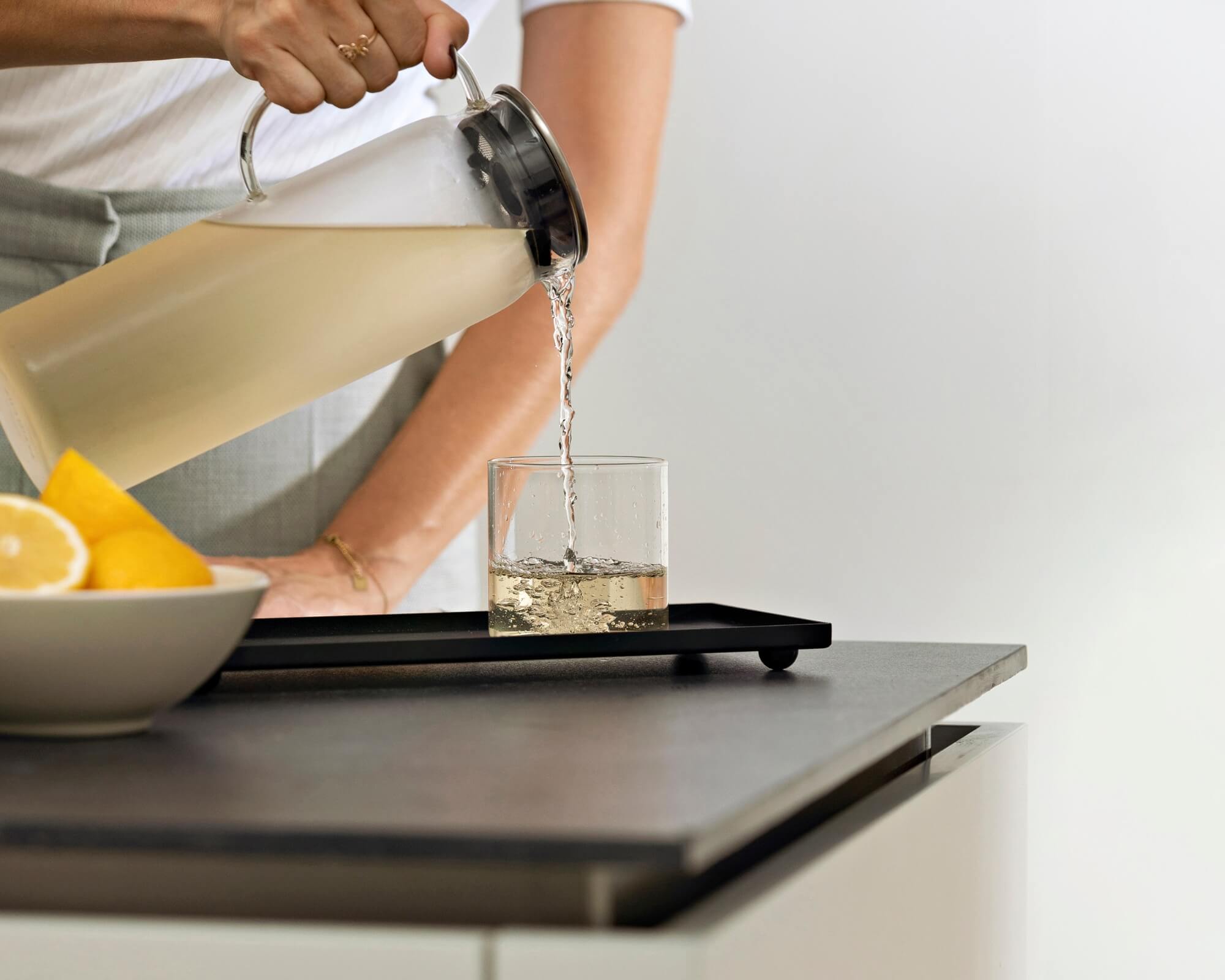
The approach is broadly the same across all teas (cold water, time, fridge), but the ratios and durations shift depending on what you're working with. Below is how to think about each category, with specific timings from our range.
Green Teas
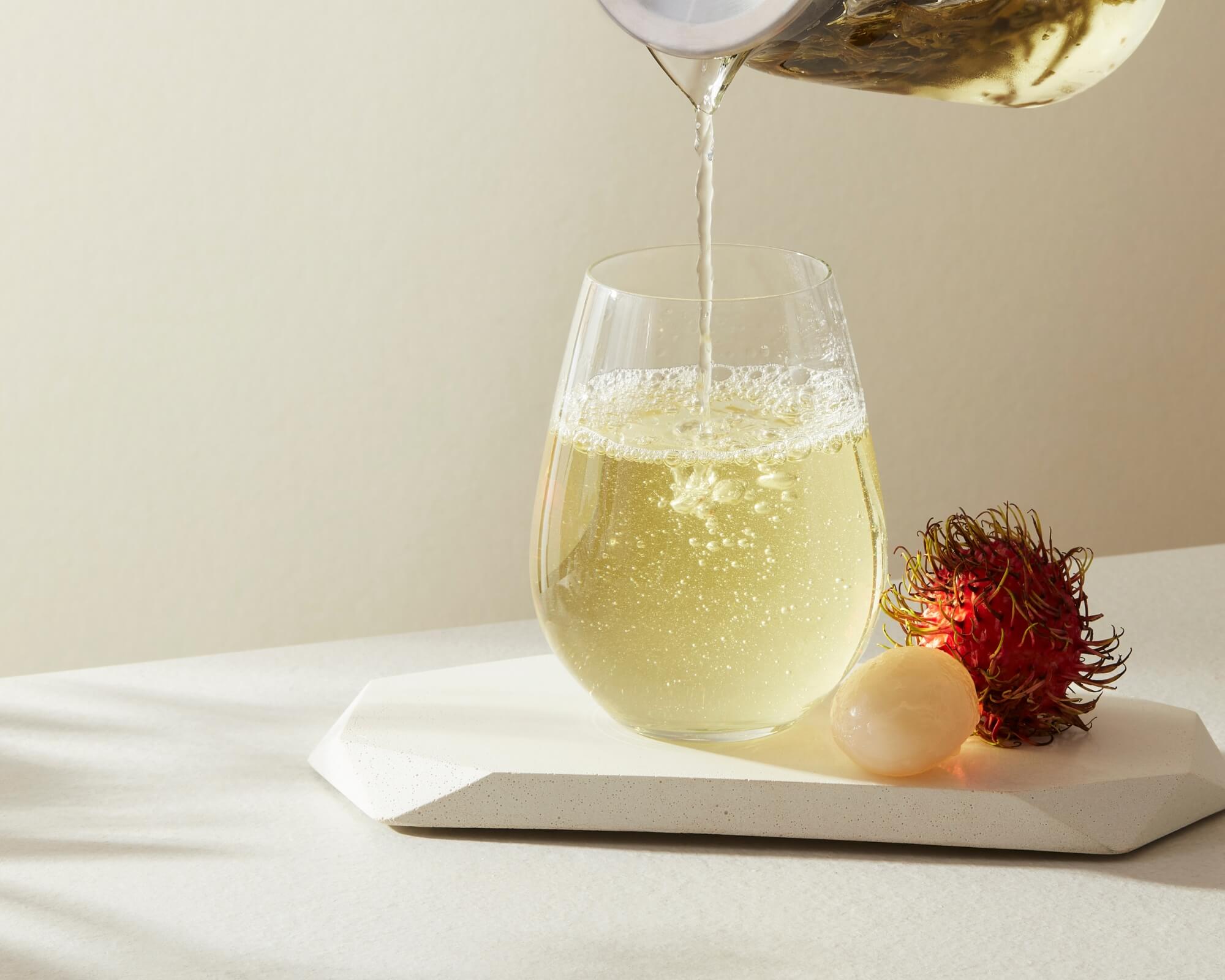
Green teas are where cold brewing earns the most converts. The vegetal intensity that can tip into bitterness under hot water becomes clean and gently sweet when extracted cold. Grassy notes soften. The finish lengthens without astringency cutting it short.
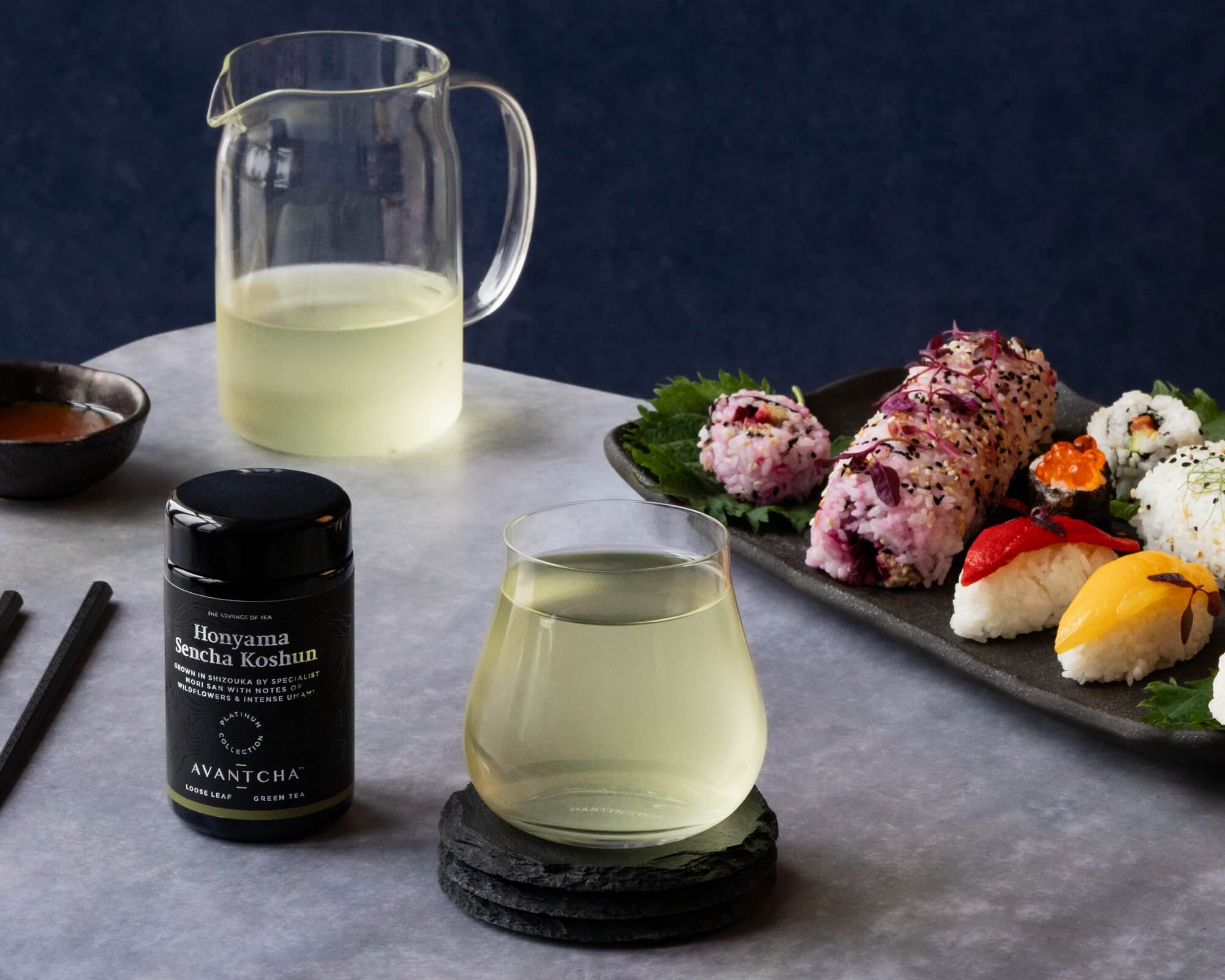
Japanese greens in particular change character considerably. A gyokuro brewed hot at 60°C delivers umami depth and weight. The same leaf brewed cold produces something more transparent: a fine, savoury sweetness with a long finish. They are the shorter-steeping greens in our range (Organic Japanese Sencha, Organic Japanese Gyokuro, and Japanese Kuki Hojicha) are ready in 45 minutes. Hojicha, roasted rather than steamed, gives a cold brew that is soft and lightly smoky with an unusually clean finish for a roasted tea.
Generally though, for loose leaf greens, use 1g per 100ml i.e. 4g per 420ml (Solo Teapot) as a starting point, scaling to 7g for 700ml (Twin Teapot) and 14g for 1.4 litres (Grande Teapot) and cold brew for 45 minutes to 2 hours.
White Teas
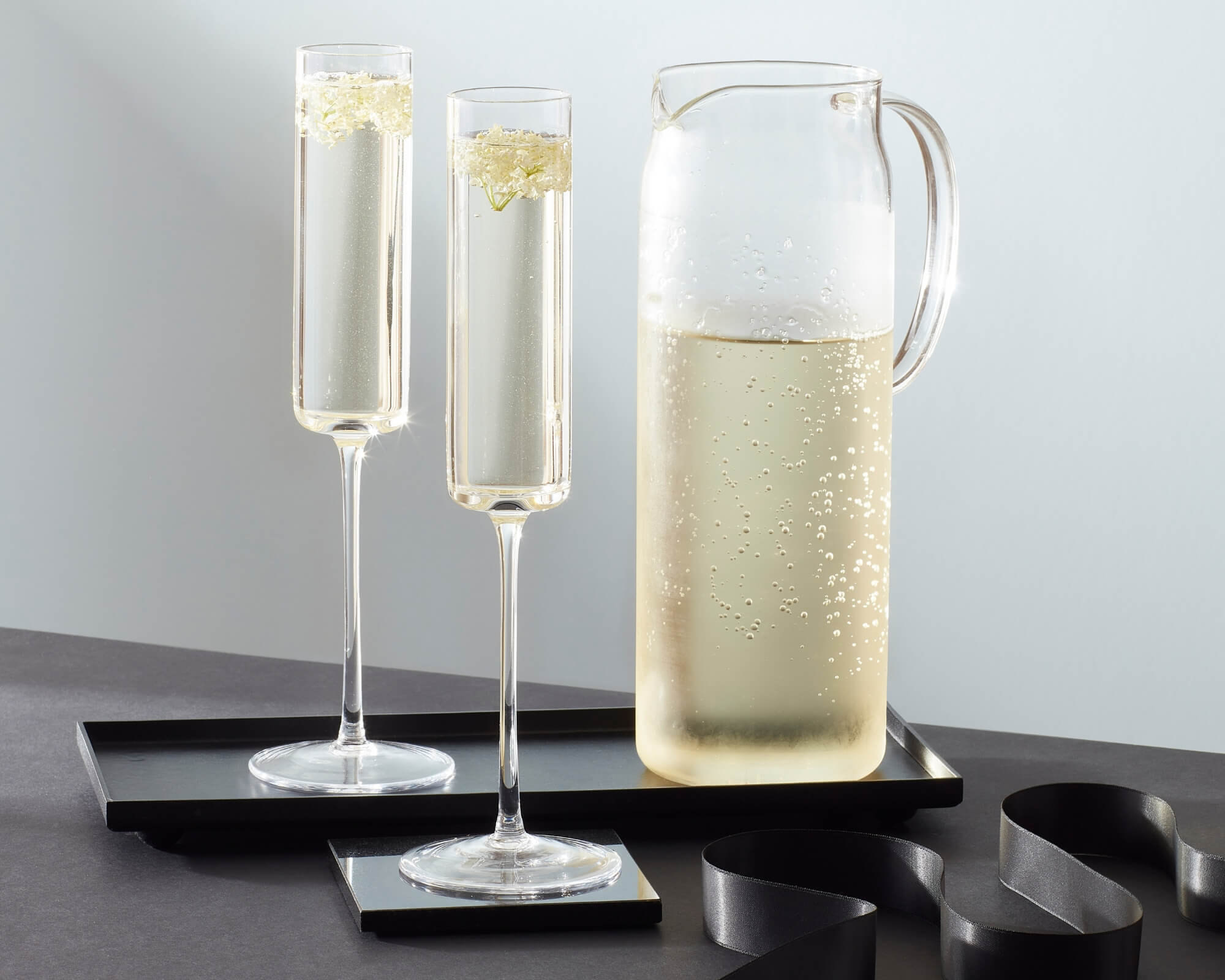
White teas are among the most forgiving for cold brewing, and among the most rewarding. The flavour profile is already delicate (floral, honeyed, barely-there in the wrong hands), and cold extraction brings out exactly the clarity that hot water can sometimes overwhelm.
Bamboo Snow White and White Bud Silver Needle both want an overnight brew: 8–12 hours in the fridge to develop their full character. The result from Silver Needle brewed this way is luminous: a pale, floral liquor with a sweetness that doesn't need anything added to it. Rose White needs one hour, which makes it useful if you want something ready the same afternoon. Organic Lapsang Bai Mu Dan also brews overnight.
Use 1g per 100ml and a 1 hour to overnight steep as a rule of thumb for white teas across the range. Jasmine Silver Needle, where the jasmine flowers have been layered through the tea leaves during processing, develops a cold brew that is gentler and more diffuse than its hot counterpart: the jasmine doesn't spike, it carries.
Oolong Teas
Oolong teas are the most varied category in cold brew, because oolongs are the most varied category in tea. A lightly oxidised, floral Tie Guan Yin and a heavily roasted Da Hong Pao are processed so differently that they respond to cold brewing in almost opposite ways.
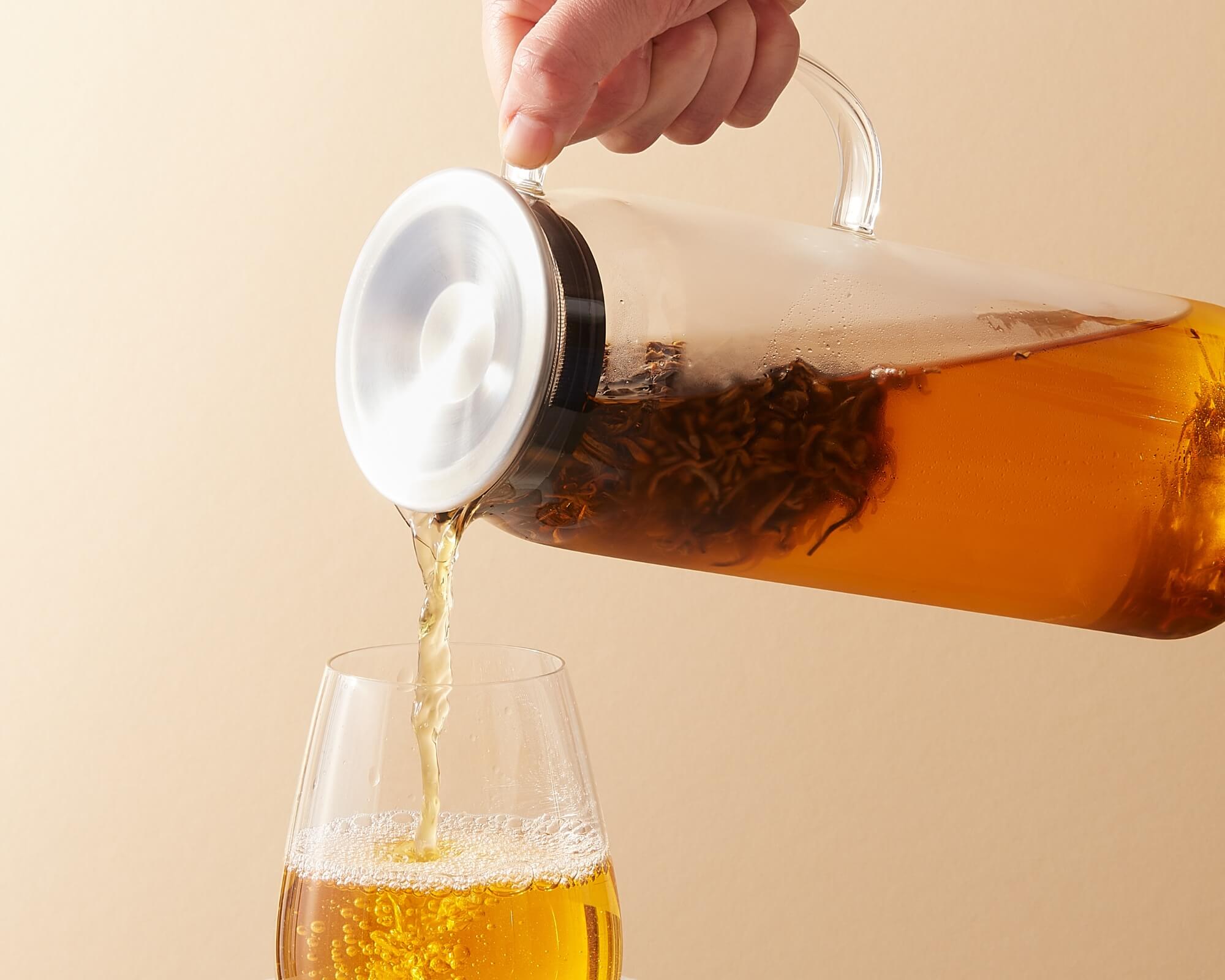
Use 1g per 100ml across the oolong range and brew for 4 hours. This applies to Organic Dong Ding, Phoenix Dan Cong, Taiwan Oriental Beauty, Nong Xiang Tie Guan Yin, Jin Guan Yin, and Magnolia Oolong. The longer, cooler infusion allows floral, fruity, roasted and woody notes to come through with a smooth, rounded character.
Oriental Moments, our blended oolong, is the exception. Brew this one overnight to give its layered blend time to fully develop.
Black Teas
Cold-brewed black tea reads differently to its hot counterpart. Tannin structure softens considerably, and what comes forward instead is fruit, malt, and a warmth that makes cold brew black tea particularly well-suited to food.
Use 1g per 100ml and brew for 2 to 4 hours. This applies across the black tea range, including Organic English Breakfast, Assam English Breakfast, Organic Darjeeling Summer Singell, Organic Royal Keemun and Organic Japanese Benifuuki. The shorter end of the range gives a lighter, more delicate infusion, while a longer brew allows deeper malt, fruit and natural sweetness to develop.
Herbal and Rooibos Teas
Herbal infusions, fruit infusions and rooibos are well suited to cold brewing, bringing out their natural sweetness, fruitiness and aroma while keeping the infusion smooth.
For these teas, start by adding boiling water to the tea, then top up with cold or room-temperature water. This helps the ingredients release their flavour before the longer cold infusion. Use 1g per 100ml and brew for 2 hours to overnight, depending on how full and aromatic you want the infusion to be.
The longer infusion works particularly well for blends such as Organic Chamomile Blossoms, Organic Mint Duo, Lemon Verbena Lavender, Apple Elderflower Cocktail, Rush Hour Berry and Tropical Rooibos, allowing their fruit, floral and herbal notes to develop fully.
Organic Chamomile Blossoms uses 0.5g per 100ml, as the blossoms expand considerably as they infuse.

Experimenting with Cold Brew Tea
While cold brew tea is flavourful and quenching as it is, there's no stopping you adding your own flourish to the vessel. We've played with natural, whole fresh flowers, fruits, herbs, or spices. While these only impart a delicate essence, they help complement some of the other flavours and add a visual flair. For example, whole roses in a black tea, juicy fruits like fresh pineapple in a roasted oolong, or sprigs of thyme in an English breakfast tea.
Cold Brew Tea Alongside Food
Wine pairs with food through structure: tannin, acidity, alcohol. These elements push back against fat and richness, creating contrast. Cold brew tea works differently. Slow extraction keeps tannins low, and there is no alcohol. Rather than cutting through a dish, it aligns with it: extending flavour, keeping the palate clean between bites, carrying aromatic notes forward into the finish.
This makes it a considered non-alcoholic option at the table, and one that rewards some thought about which tea goes where.
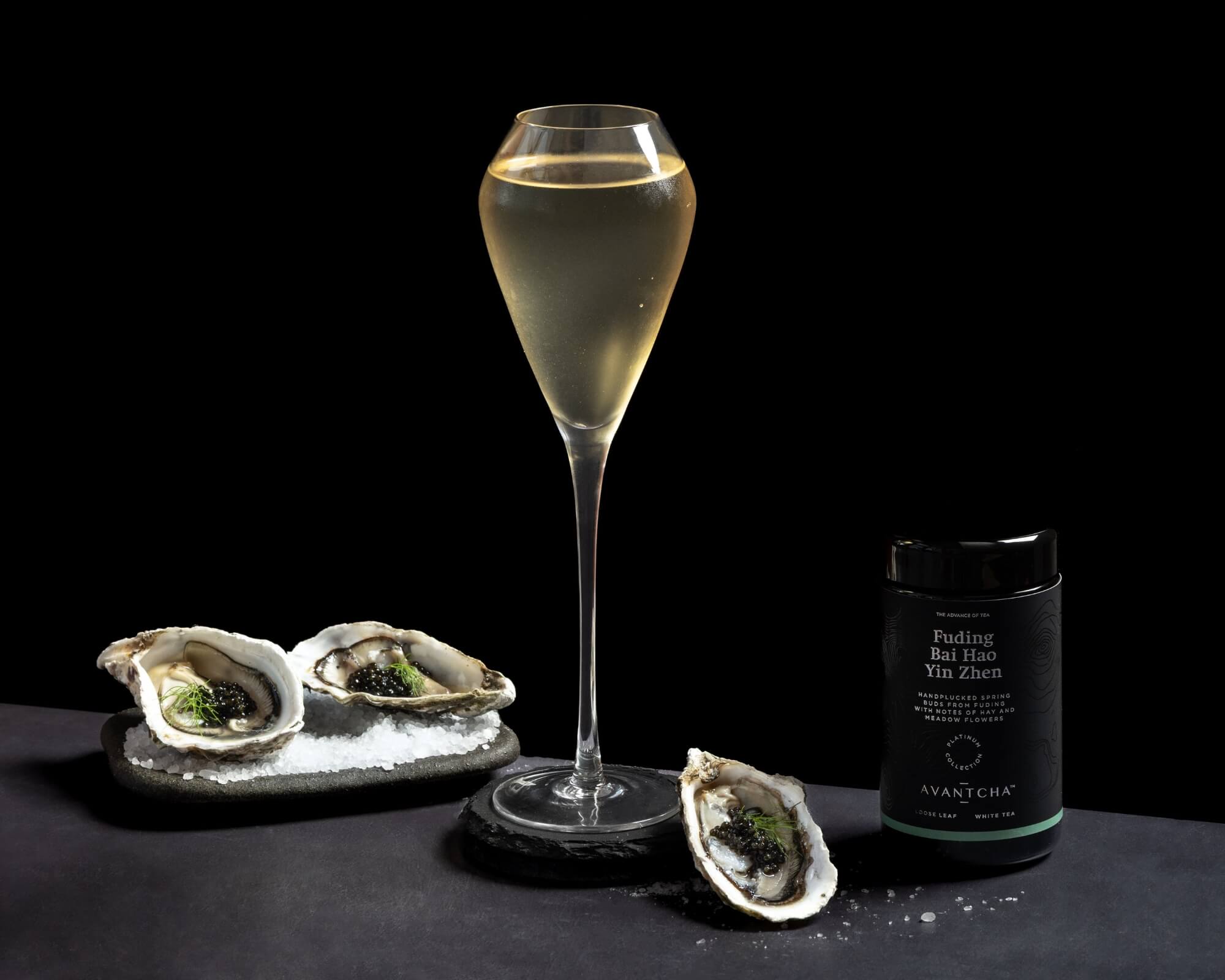
Green and white teas pair well with lighter dishes: vegetables, seafood, chicken, anything where you want to extend rather than contrast the flavour. A cold-brewed Gyokuro alongside a delicate fish dish carries the meal's own umami thread forward.
Oolongs work with richer, fattier plates. The texture of a cold-brewed Tie Guan Yin sits softly on the palate without drying it, so it doesn't strip the dish of its character between bites. Da Hong Pao alongside roasted or cured food brings its mineral quality into dialogue with smoke and fat.
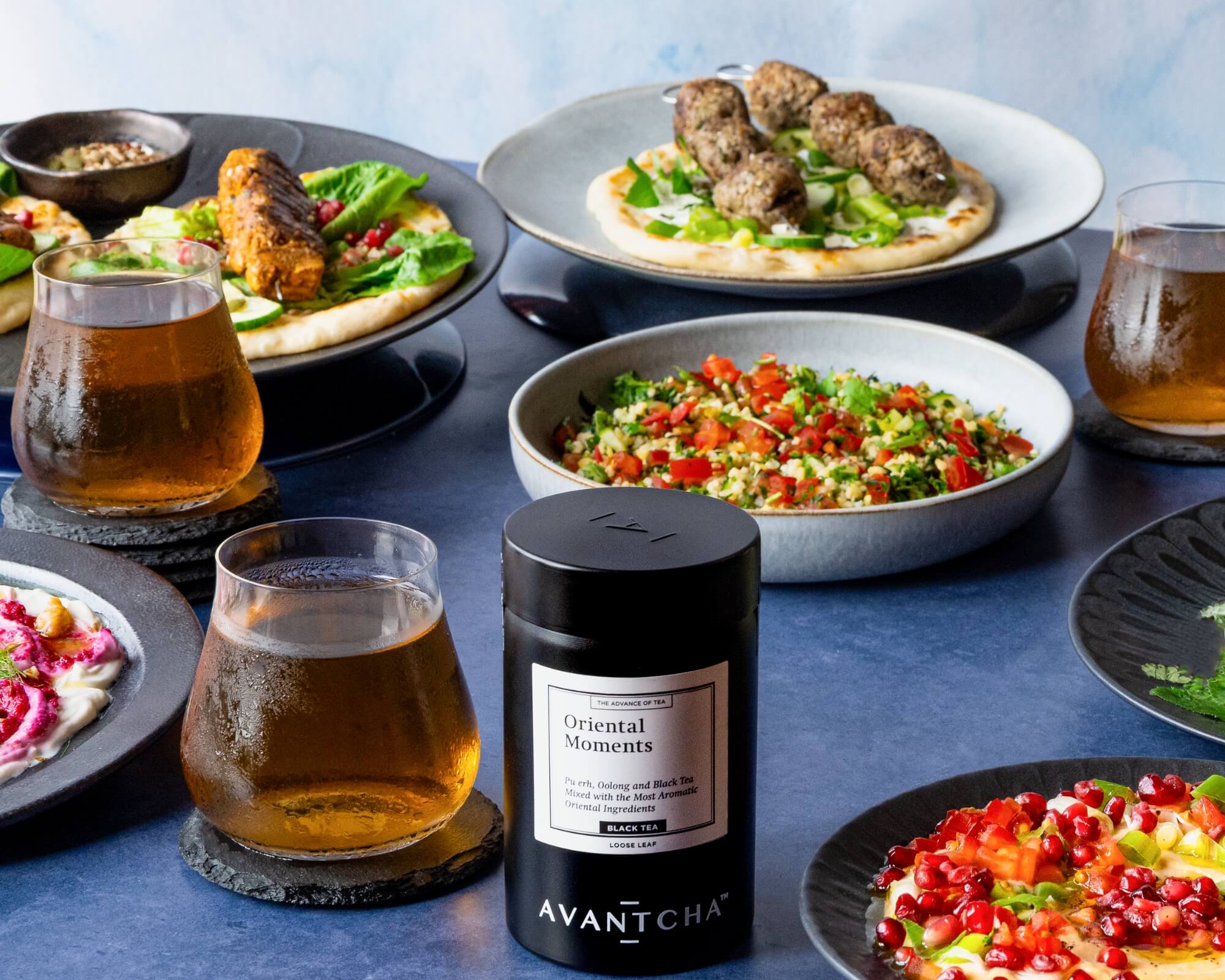
Black teas hold their own with spiced food, grains, and anything roasted. Cold-brewed, they retain enough presence to be interesting without the astringency that can clash with salt or spice.
Herbal infusions work best as aromatic mirrors: serve Lemon Verbena Lavender alongside a summery, herb-forward dish and it extends the aromatic note of the food into the glass.
Served in tall or interesting glasses rather than cups, cold brew tea integrates naturally into a dining setting without any explanation required.
Cold brew for complex teas & fine dining
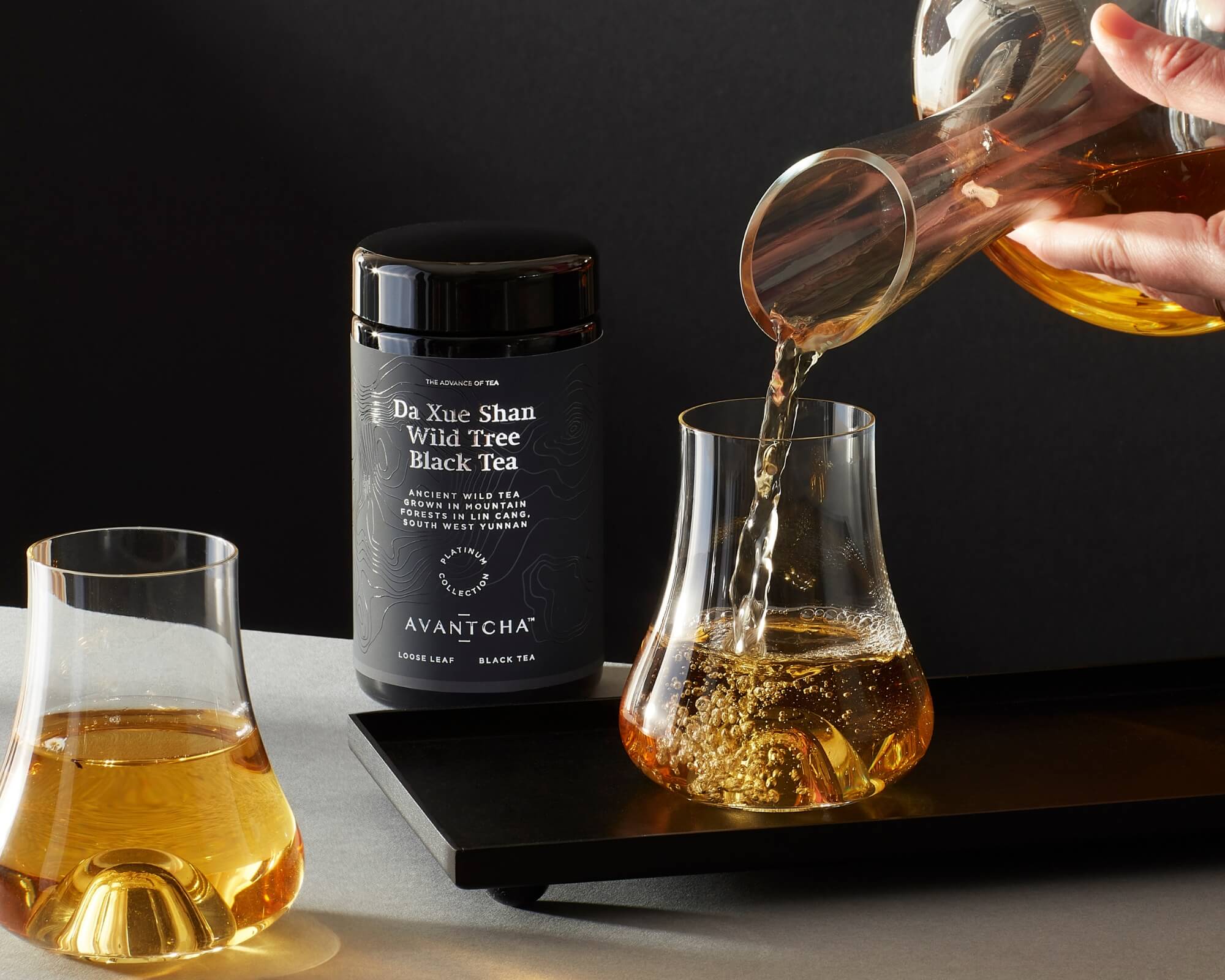
Cold brewing is a particularly useful approach for teas that reward attention like our single-origin, single-harvest teas in the Platinum Collection. Brewed hot, these teas lead with structure and intensity. Brewed cold, the balance shifts. Texture softens. Finer details (a specific floral character, an unexpected mineral note, a finish that changes as it warms in the glass) become easier to identify without the grip of tannin across the palate.
The platinum cold brew method works differently to the standard approach. Rather than a long, slow infusion in a large vessel, these teas are brewed in small quantities: 5g of leaf to 150ml of cold water, for as little as 1.5 minutes for the most delicate Japanese greens, and up to 10 minutes for whites and Chinese teas. More leaf, less water, much less time. The result is a concentrated, precise pour, closer in format to a wine glass serving than a casual cold drink.
This is the format that works best alongside food in a fine dining context. Served in small glasses at the table, the platinum cold brews function as a genuine wine alternative: structured enough to pair with a dish, specific enough to be interesting on their own terms.
If you're a fine dining establishment, contact us for more details on creating rare tea pairings with your menu.
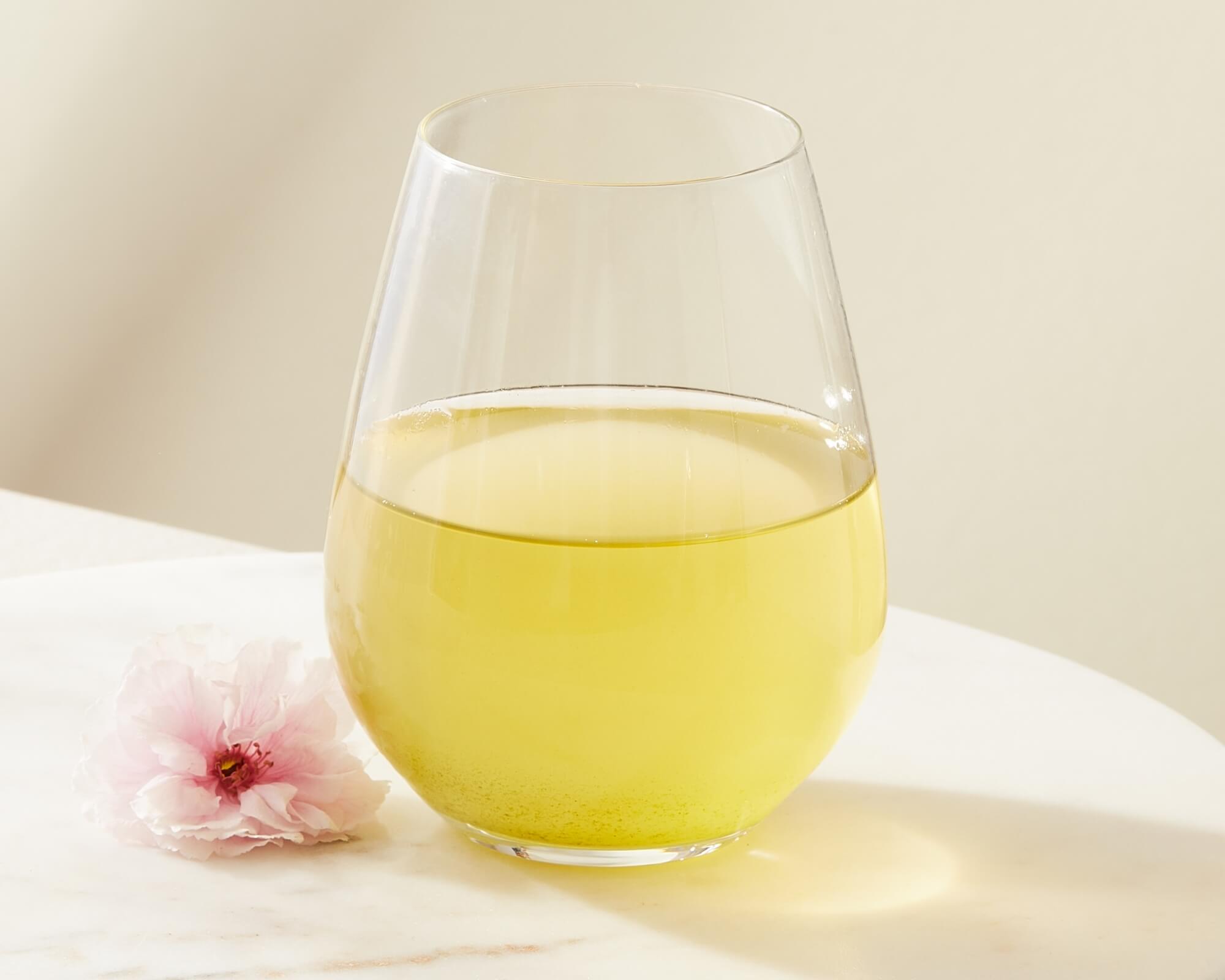
Western vs Japanese-style cold brewing
Not all cold brew is made the same way. The method shapes the character of what ends up in the glass as much as the tea itself.
Western cold brewing uses larger quantities of leaf and longer infusion times, producing something fuller, rounder, and more robust.
Japanese cold brewing uses less leaf and much shorter infusion times. A good sencha or gyokuro brewed cold for a matter of minutes can produce something of remarkable clarity: sweet, fresh, and precise in a way the Western method does not aim for. The texture is lighter, the flavour cleaner, and where umami exists in the leaf, it comes through more directly.
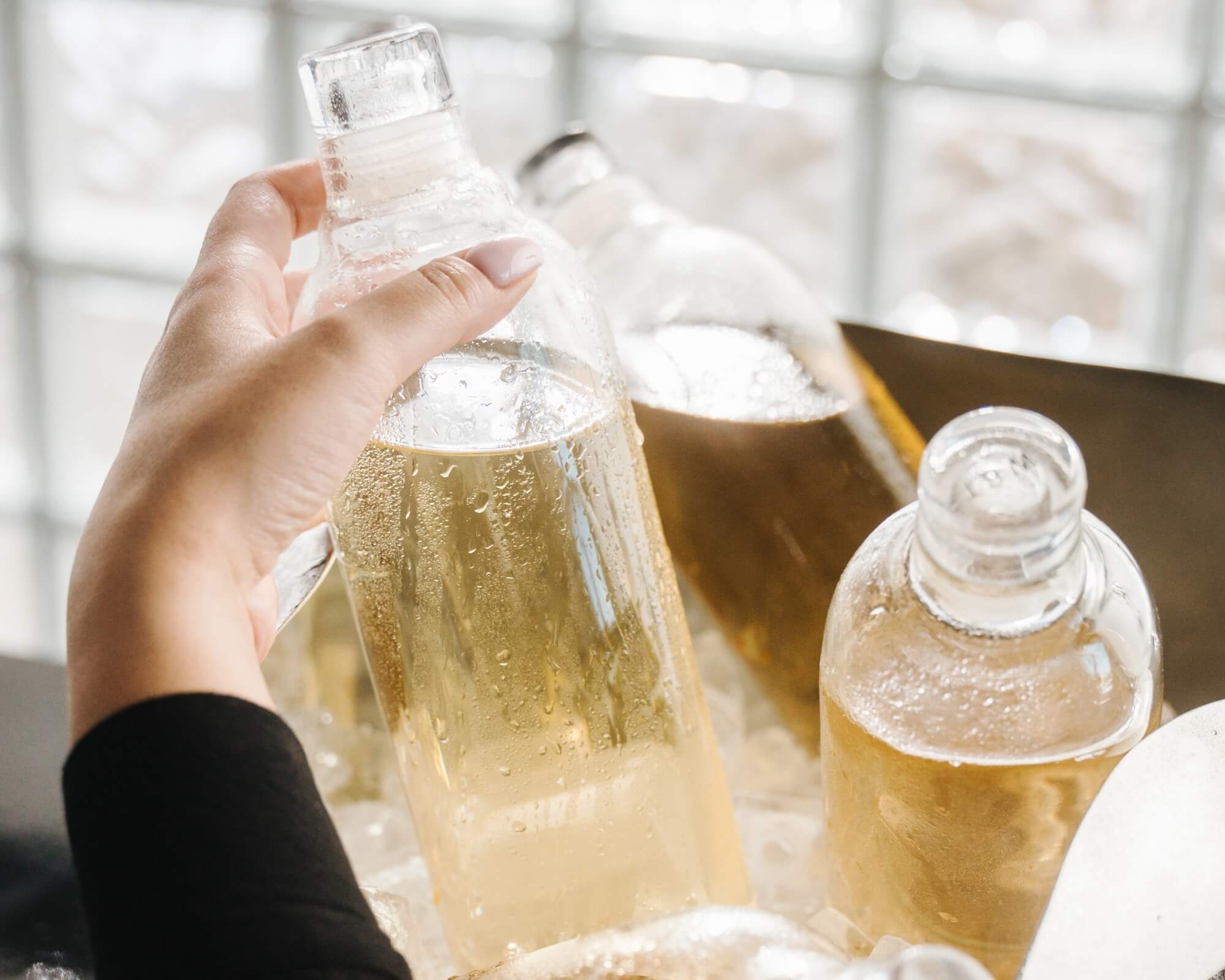
As a starting point, use around 2 to 3g of tea per 300ml of water and infuse for anywhere from a few minutes to around an hour, depending on the tea. Since tea tends to sink once saturated, you might even just add the loose leaf to a water bottle and enjoy throughout the morning.
Adjusting the ratio slightly higher or lower lets you explore different expressions of the same leaf without losing that balance and clarity.
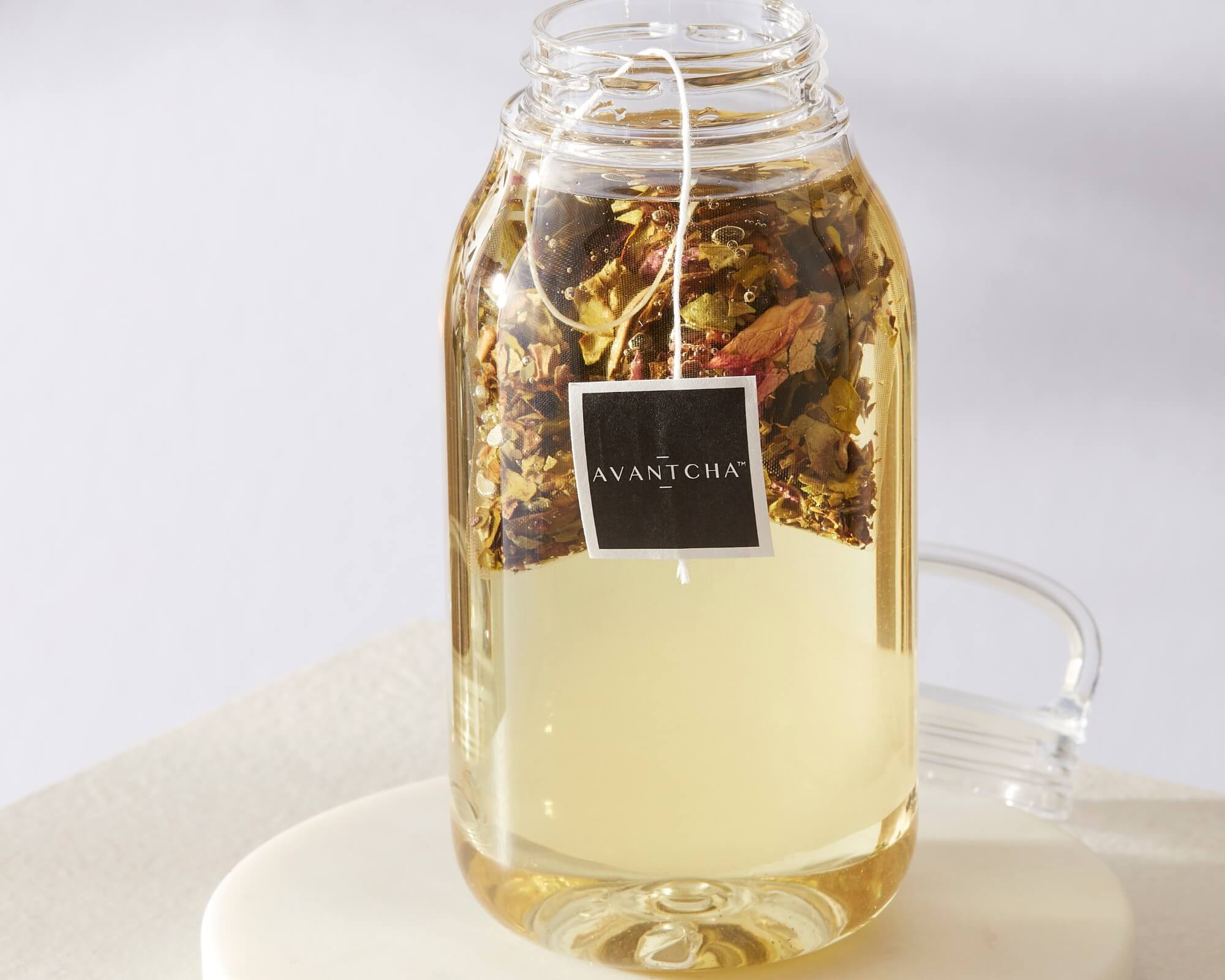
Cold Brew at a Glance
| Type | Grams per litre | Time |
|---|---|---|
| Green | 10g | 45 min–2 hours |
| White | 10g | 1 hour–overnight |
| Oolong | 10g | 4 hours |
| Black | 10g | 2–4 hours |
| Herbal | 10g (hot start, then cold) | 2 hours–overnight |
| Rooibos | 10g (hot start, then cold) | 2 hours-overnight |
Where to start?
A teabag in a 350ml bottle of cold water, left in the fridge for the appropriate time, is the minimum viable cold brew. It works. For loose leaf, start with the gram-to-volume ratios above, use a vessel you can seal and refrigerate, and err on the side of slightly longer rather than slightly shorter. An under-extracted cold brew is thin and unrewarding. A slightly over-extracted one is rarely unpleasant, since the low-tannin method makes it forgiving in a way that hot over-brewing is not.
The easiest habit to build is to prepare cold brew the night before. Most teas in the range that benefit from longer infusions are overnight brews for exactly this reason: they are ready when you wake up, and they keep in the fridge until the following morning.
If you're new to cold brew, we recommend starting with AVANTCHA teas from a category you already enjoy hot and try it cold. The difference is usually enough to make the method its own thing. From there, the range is wide and the method stays the same.
If you have questions about specific teas, brewing ratios, or how to use cold brew in a food or hospitality setting, we're happy to help. Get in touch.
FAQS
What really happens when you cold brew tea?
Cold water extracts compounds from the tea leaf slowly and selectively. It draws out flavour-producing catechins, amino acids, and aromatic compounds at a much lower rate than hot water, and importantly, it extracts far fewer tannins. Tannins are responsible for the bitter, astringent grip in hot-brewed tea. With less tannin in the cup, cold brew tends to taste smoother, softer, and more aromatic.
Is cold brew tea less bitter than hot brewed tea?
Yes, significantly. Tannin extraction is temperature-dependent: hot water dissolves tannins rapidly, which is what creates bitterness and astringency. Cold water extracts very little tannin over the same period. The result is a cup that tastes cleaner and softer, with more clarity in the tea's natural sweetness and floral notes.
Does cold brew tea have more or less caffeine than hot tea?
Cold brew generally contains less caffeine than an equivalent hot brew. Caffeine is more soluble at higher temperatures, meaning hot water extracts it more efficiently. That said, caffeine content still varies by tea type. Black teas will cold brew with more caffeine than white teas regardless of method. Cold brew is a good option for those who want a lighter caffeine effect without switching to herbal infusions.
Can you re-steep cold brew tea leaves a second time?
With loose leaf, yes, once. The second steep will produce a noticeably lighter result with less flavour definition, but it won't be unpleasant. For teabags, a second cold steep is generally too thin to be worth the wait. If you're using premium loose leaf teas from our Platinum Collection, the first brew is the one worth focusing on.
What is the best ratio of tea to water for cold brewing?
We recommend a base line of 1g per 100ml.
As a general rule, black tea requires the longest steeping time, while green and white teas need less time. If you’re unsure, taste the brew and adjust to your preference. The ratio matters less than with hot brewing, since cold water won't over-extract in the way hot water can.
How do you know if cold brew tea has gone off?
Cold brew tea keeps in the fridge for up to three to four days. Signs it has grown stale include a flat or dull taste. If it’s past its best, it may have a sour, unpleasant smell and taste, and may even show visible mould. . If in doubt, make a fresh batch. The method is quick enough that it's rarely worth the risk.
Can you cold brew tea at room temperature, or does it have to go in the fridge?
Room temperature works, and actually extracts slightly faster than fridge brewing. However, for infusions longer than one to two hours, particularly overnight brews, the fridge is safer, as it keeps the infusion stable and slows any bacterial activity. For short cold brews of an hour or less, room temperature is fine. For everything else, the fridge is the better habit.

 All Rights Reserved. © AVANTCHA 2026